
How to Choose a Seawater Desalination System?

Time:2026-10-26 Author:Liam
0%

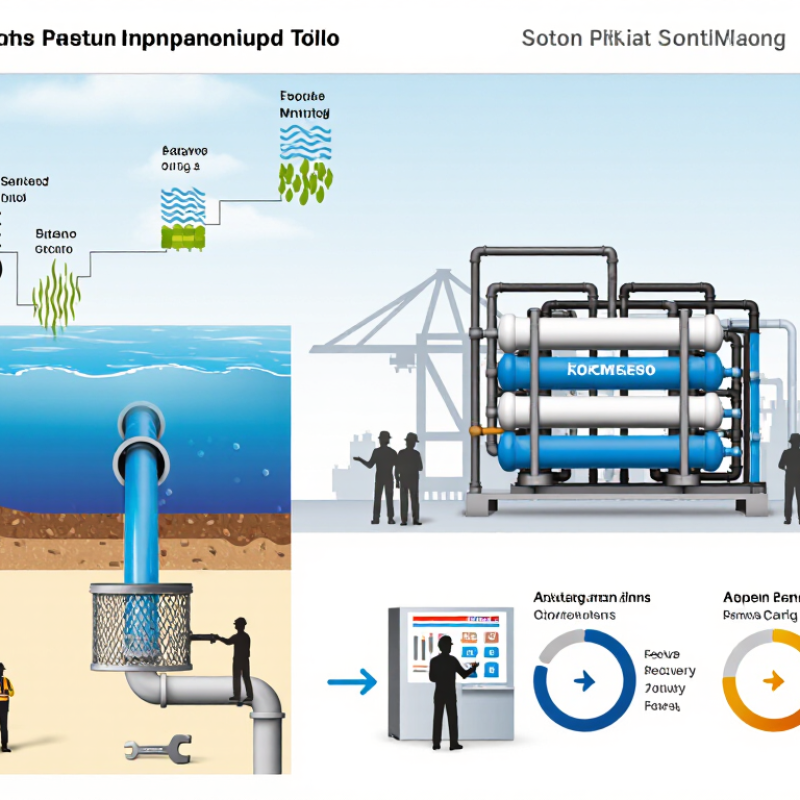
Choosing a Seawater Desalination system is not simply a matter of selecting the largest plant. It requires matching technology to water quality, energy access, operating skills, and environmental responsibilities. A system designed for a quiet coastal resort may fail in a busy industrial port.

Professor Menachem Elimelech, a leading membrane researcher, has stated, “Desalination is an energy-intensive process.” That reality should guide every decision. Reverse osmosis usually offers lower energy use than thermal methods, but it depends heavily on effective pretreatment. Sand, algae, oil traces, and suspended solids can damage membranes quickly. Small details matter.

Start with the source water. Measure salinity, temperature, turbidity, biological activity, and seasonal changes. Then compare production capacity, recovery rate, power demand, membrane replacement costs, and brine management options. Ask who will inspect the intake screens at dawn. Ask how the plant will operate during a storm.

Reliable suppliers should provide verified performance data, maintenance schedules, safety documentation, and references from comparable installations. Independent testing is valuable. Marketing claims are not enough.

There is no perfect system.

Even a well-designed plant may face unexpected fouling, rising electricity prices, or stricter discharge requirements. That uncertainty deserves attention, not concealment. A careful selection process combines engineering calculations with local operating experience. It also leaves room for monitoring and improvement after commissioning. This guide explains how to evaluate each factor and avoid choosing equipment based only on initial purchase price.
How to Choose a Seawater Desalination System?

Desalination System Types and Their Operating Principles

How to Choose a Seawater Desalination System?

Desalination systems mainly use reverse osmosis or thermal separation. Reverse osmosis pushes seawater through semi-permeable membranes under high pressure. Dissolved salts remain behind, while freshwater passes through. The World Bank reports that seawater reverse osmosis commonly requires about 3–6 kWh per cubic metre, depending on intake design, recovery rate, and energy recovery equipment. It suits many coastal municipalities because its electrical demand is relatively measurable.

Thermal systems evaporate seawater and condense the vapor. Multi-stage flash and multiple-effect distillation can tolerate hotter feeds and some difficult water conditions. However, their heat demand is substantial, often exceeding 10 kWh per cubic metre, according to International Desalination Association technical reporting. They may fit facilities with reliable waste heat, steam, or combined industrial operations. Without that heat source, the operating cost can become uncomfortable.

Feedwater quality changes the decision. A sandy shoreline may need fewer intake barriers than a muddy estuary, but seasonal algae can still challenge pretreatment. The 2024 UN World Water Development Report notes that agriculture represents roughly 70% of global freshwater withdrawals, so desalinated water is often reserved for cities and industry. I would not trust a capacity figure alone. Recovery, brine management, electricity reliability, maintenance skills, and membrane replacement intervals matter more in daily operation. A perfect model rarely survives the first storm.

Assessing Feedwater Quality and Desalination Requirements

How to Choose a Seawater Desalination System?

Assessing Feedwater Quality and Desalination Requirements

A seawater desalination system should begin with the water, not the equipment catalogue. Feedwater changes with tides, storms, nearby discharge, and seasonal algae. A sample taken beside a quiet pier may mislead you.

Measure salinity, temperature, turbidity, suspended solids, oil traces, hardness, silica, boron, and microbial activity. Test during contrasting conditions when possible. One laboratory report is useful, but it is not the whole story. In field assessments, operators should also record intake depth, tidal movement, and visible fouling. These details influence pretreatment, membrane selection, energy use, and cleaning frequency.

Define the real requirement. Is the water intended for drinking, process use, irrigation, or emergency supply? Confirm daily flow, peak demand, recovery targets, available power, storage, and brine discharge limits. A design that meets average demand may fail during a holiday surge or a hot week. That happened in one poorly planned installation. The lesson was uncomfortable: optimistic assumptions can become expensive maintenance.

Tips: Request at least two seasonal water tests. Use an accredited laboratory and an experienced process engineer. Keep raw data, not only the final report. Compare projected and actual operating results after commissioning. Small gaps matter. Recheck the design when feedwater conditions change.

Comparing Energy Use, Capacity, and Water Recovery

How to Choose a Seawater Desalination System?

Energy use, capacity, and water recovery should guide a desalination decision. Seawater reverse osmosis often uses about 3–6 kWh per cubic metre. Actual consumption changes with salinity, temperature, pretreatment, and pressure. Thermal systems can require more heat, especially where waste heat is unavailable. Ask suppliers for tested energy data at your exact feedwater conditions, not only ideal laboratory results.

Capacity must match both average demand and daily peaks. A coastal hotel may need more water during summer mornings. A municipal plant also needs reserve capacity for maintenance and membrane cleaning. Smaller modular trains can simplify expansion, but they may increase equipment and control costs. Keep enough redundancy to maintain supply when one train stops.

Water recovery shows how efficiently the system uses seawater. Reverse osmosis commonly recovers roughly 35–50% of feedwater, depending on design and fouling limits. Higher recovery reduces intake volume, but it can increase scaling risk, chemical demand, and cleaning frequency. Pretreatment deserves careful attention. Poor filtration can turn an efficient plant into a costly repair project.

A spreadsheet can still lie.

During project reviews, I compare specific energy consumption, product flow, recovery, and downtime together. A system producing more water is not necessarily better if its membranes foul quickly. Site testing remains valuable, yet short trials may miss seasonal changes. Leave room for uncertainty. Real seawater is rarely as predictable as the design model.

How to Choose a Seawater Desalination System? - Comparing Energy Use, Capacity, and Water Recovery
Technology Typical Specific Energy Use Typical Plant Capacity Typical Water Recovery Main Energy Input Key Advantages Key Limitations Best-Fit Applications
Seawater Reverse Osmosis (SWRO) 3–5 kWh/m³ of electricity 1,000–600,000 m³/day 35–50% Electricity for high-pressure pumps Lowest energy demand among established seawater desalination options; modular; relatively fast start-up; suitable for renewable-energy integration. Requires effective pretreatment; membranes are sensitive to fouling and scaling; produces a concentrated brine stream. New municipal plants, industrial water supply, islands, and projects where electricity is available at competitive cost.
Multi-Stage Flash Distillation (MSF) Thermal: ถ18–25 kWhth/m³
Electricity: 2–5 kWh/m³
10,000–500,000 m³/day 10–20% Low-pressure steam plus electricity Proven for very large plants; produces stable water quality; tolerates variable feedwater conditions better than membrane systems. High thermal-energy demand; large equipment; slower start-up; economically attractive mainly where low-cost steam or cogeneration is available. Large power-and-water complexes with reliable waste heat or steam supplies.
Multiple-Effect Distillation (MED) Thermal: 14–25 kWhth/m³
Electricity: 1.5–2.5 kWh/m³
5,000–150,000 m³/day 20–40% Low-pressure steam or waste heat plus electricity Generally more thermally efficient than MSF; good product-water quality; can use waste heat from industrial processes. Still depends on a thermal-energy source; scaling and corrosion control are important; usually has higher capital complexity than SWRO. Industrial sites, refineries, power stations, and facilities with available low-grade heat.
Seawater Electrodialysis / Electrodialysis Reversal Typically 4–8 kWh/m³
for suitable lower-salinity feedwater
Usually below 20,000 m³/day 50–90% per stage, feedwater-dependent Electricity for ion-selective membrane separation Can achieve high recovery for brackish or partially desalinated water; periodic polarity reversal helps control scaling. Energy use rises sharply with salinity; generally less competitive for full-strength seawater; requires careful pretreatment. Brackish water, seawater polishing, and hybrid systems after partial desalination.
How to interpret the figures: Energy use, capacity, and recovery vary with feedwater salinity and temperature, product-water specifications, intake design, pretreatment, brine-disposal requirements, and local operating conditions. For SWRO, the energy range normally refers to electricity consumption including high-pressure pumping and energy recovery, but excluding intake, pretreatment, post-treatment, and product-water distribution unless specifically stated.
Indicative engineering ranges synthesized from commonly reported values in international desalination engineering literature and guidance from organizations such as the International Desalination Association, the U.S. Bureau of Reclamation, and the International Energy Agency.

Selecting Pretreatment, Maintenance, and Control Features

How to Choose a Seawater Desalination System?

Selecting Pretreatment, Maintenance, and Control Features

A reliable desalination system begins before the membrane. Test seawater for turbidity, algae, oil traces, temperature, and seasonal changes. These details determine the right pretreatment arrangement. Intake screens remove shells, leaves, and larger debris. Multimedia filters can reduce suspended solids. Cartridge filters protect high-pressure equipment from smaller particles.

Pretreatment should also support easy maintenance. Choose housings with pressure gauges on both sides of each filter. A rising pressure difference shows fouling before performance drops sharply. Keep spare cartridges dry and accessible. Cleaning tanks need enough space for safe handling. I once underestimated access clearance around a filter skid. The equipment worked, but routine replacement became unnecessarily difficult.

Controls should display feed pressure, permeate flow, conductivity, temperature, and energy use. Automatic alarms can identify abnormal pressure or rising salt passage. However, automation is not a substitute for trained operators. Set alarm limits according to actual operating data, not factory assumptions. Record readings at the same time each day. Small changes often reveal scaling or biological fouling early. Do not ignore manual checks. A sensor can drift, and that uncomfortable possibility deserves attention. Choose materials that match the seawater chemistry, cleaning agents, and expected operating temperature. Maintenance plans should include membrane inspection, calibration, chemical storage checks, and documented cleaning intervals.

How to Choose a Seawater Desalination System?

Typical maintenance intervals for key seawater reverse osmosis system components. Actual intervals depend on feedwater quality, pretreatment performance, operating recovery, and fouling conditions.

Evaluating Costs, Environmental Effects, and System Reliability

Choosing a seawater desalination system requires more than comparing purchase prices. The World Bank’s 2019 desalination report places seawater reverse osmosis costs roughly between $0.50 and $2.00 per cubic meter, depending on energy prices, plant scale, and intake conditions. Energy demand matters daily. Modern systems often require about 3–4 kWh per cubic meter, excluding distribution. I would request a full lifecycle cost model, not a supplier’s headline figure. Small assumptions become expensive.

Environmental effects deserve equal attention. A United Nations University report estimated that desalination plants produced about 95 million cubic meters of freshwater daily and 142 million cubic meters of brine in 2019. Brine can contain concentrated salts, treatment chemicals, and heat. Poorly designed outlets may stress nearby seabed habitats.

Subsurface intakes can reduce marine organism entrainment, but they may cost more and clog in sandy areas. There is no perfect intake.

Reliability depends on redundancy, pretreatment, and maintenance access. A plant with multiple independent trains can continue operating during membrane cleaning or pump failure.

The International Energy Agency estimated desalination used about 75 TWh of electricity globally in 2016, showing how strongly reliability is tied to power security.

Ask for tested recovery rates, membrane replacement intervals, emergency storage, and performance data from comparable seawater. Laboratory results are not field history.

My practical concern is often overlooked: operators may optimize energy use, then discover that unstable intake water causes repeated shutdowns. Select the system around the actual coastline, workforce, and power network—not a brochure.

FAQS

How much energy does seawater reverse osmosis usually require?

It often uses about 3–6 kWh per cubic metre. Actual use depends on salinity, temperature, pressure, and pretreatment. Test real seawater.

Should system capacity match average or peak demand?

Match both. A coastal hotel may need extra water during summer mornings. Include reserve capacity for maintenance and membrane cleaning.

Why is reserve capacity important?

One treatment train may stop unexpectedly. Spare capacity helps maintain supply during repairs, inspections, or routine cleaning.

What does water recovery mean?

Recovery shows how much feedwater becomes product water. Reverse osmosis commonly recovers about 35–50%. Higher recovery can reduce intake volume.

Can higher recovery create new problems?

Yes. It may increase scaling, chemical demand, and cleaning frequency. Efficiency is not always the best result.

What pretreatment does seawater usually need?

Intake screens remove shells, leaves, and larger debris. Multimedia filters reduce suspended solids. Cartridge filters protect high-pressure equipment.

Which operating readings should the control system display?

Monitor feed pressure, permeate flow, conductivity, temperature, and energy use. Rising pressure difference can reveal filter fouling early.

Can automation replace trained operators?

No. Sensors can drift. Manual checks remain necessary, even when alarms appear reliable.

How should maintenance access affect system selection?

Leave space around filters, cleaning tanks, and membrane housings. Spare cartridges should stay dry and easy to reach. I once overlooked access clearance.

Why should testing cover different seasons?

Short trials may miss changes in algae, turbidity, or temperature. Real seawater is less predictable than a design spreadsheet. That matters.

Conclusion

Choosing the right Seawater Desalination system requires a clear understanding of available technologies and how each one removes salt and other impurities. Common approaches differ in energy consumption, operating complexity, water recovery, and suitability for specific feedwater conditions. Before making a selection, assess salinity, temperature, suspended solids, biological activity, and the required water quality, production capacity, and daily demand.

A reliable system should include suitable pretreatment to protect key components, along with practical maintenance access, monitoring instruments, and automated control features. Compare energy use, recovery rates, installation expenses, operating costs, and the availability of replacement parts and technical support. It is also important to consider concentrate management, environmental effects, noise, and long-term reliability. By balancing performance, lifecycle cost, environmental responsibility, and operational needs, users can select a desalination solution that provides stable freshwater production and dependable service under real working conditions.

Liam

Liam

Liam is a dedicated marketing professional with a profound expertise in the industry, where he excels at highlighting the unique advantages of our core products. With a keen understanding of market trends and consumer needs, Liam frequently updates our company’s professional blog, providing......