
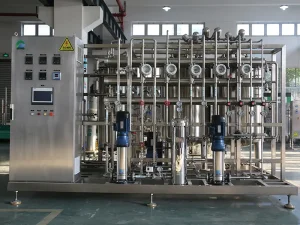
Standardized & Turnkey Equipment Lines
Direct-From-Factory Solutions: High-Salinity & Ultra-Pure Water
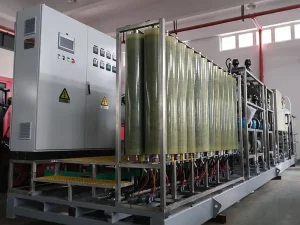
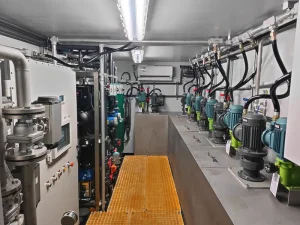
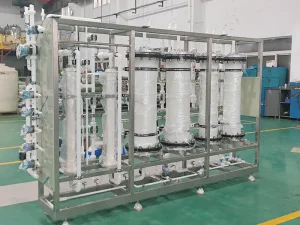
Engineered to international ASME, CE, and ISO directives. Pre-assembled, factory-commissioned skids and container units ready for offshore deployment.
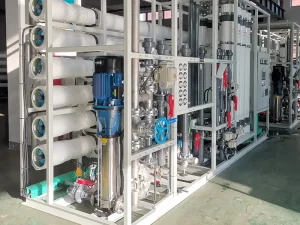
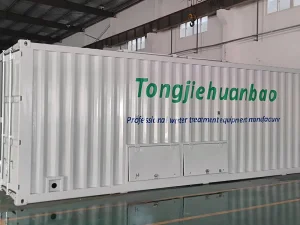
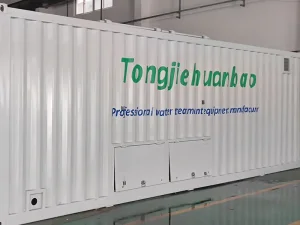
Comprehensive Engineering Review
Thermodynamic Frontiers: The Convergence of Solar Photovoltaics and High-Recovery RO Desalination
Global industrial water shortages, aggravated by climate variability and high carbon-tax penalties, have placed desalination at a structural turning point. Historically, Seawater Reverse Osmosis (SWRO) facilities were condemned for their carbon-intensive reliance on baseload municipal thermal power plants—consuming between 3.5 to 5.0 kWh of grid electricity per cubic meter of potable water produced. The integration of Solar Desalination Processes, executed via direct-coupled high-efficiency Photovoltaic-RO (PV-RO) systems or CSP (Concentrated Solar Power) multi-effect distillation, represents an unprecedented shift toward Net-Zero Freshwater Industrialization.
"The modern wholesale solar desalination plant is no longer an isolated assembly of membrane pressure vessels wired to standard commercial solar arrays. It is an intelligently load-balanced, thermodynamic unit driven by frequency-variable high-pressure pumps and isobaric energy recovery devices (ERD) operating synchronously with fluctuating solar irradiance curves."
Direct-Drive Variable Frequency Pumping (VFD) & Isobaric Energy Recovery
Conventional membrane installations require ultra-stable electrical frequency inputs to prevent feed cavitation and hydraulic pressure shocks that tear polyamide thin-film composite membranes. Tongjie’s wholesale solar desalination architectures employ multi-level predictive vector inverters directly connected to solar string outputs. When transient solar irradiance drops occur due to cloud cover, our PLC control engines execute micro-second adjustments: modulating pump RPM, shifting pressure set-points via high-efficiency Pelton wheel or isobaric ceramic pressure exchangers (PX), and maintaining steady trans-membrane pressure (TMP) without tripping system alarms.
Chemical Pretreatment Innovations in Harsh Middle East & Island Waters
A primary failure mode among lower-tier solar desalination suppliers is biofouling and rapid scale precipitation caused by intermittent cycling. Unpowered nighttime standby periods promote microbial colonizations on membrane surfaces. Tongjie addresses this with automated solar-buffered chemical dosing stations (anti-scalant, sodium bisulfite, and biocides) combined with automated pure-water permeated displacement flushing. Every time the solar generation threshold drops below safe running power, the system utilizes residual energy to thoroughly flush high-salinity brine out of the membrane elements with ultra-pure permeate, virtually eliminating mineral crystal nucleations on feed spacers.
Next-Gen Engineering
Technical Roadmap: Next-Decade Solar Desalination Horizons
From advanced nanomaterial membranes to AI-assisted predictive scaling analytics, exploring the engineering shifts revolutionizing clean water manufacturing.
Biomimetic Aquaporin & Graphene Membranes
Moving beyond conventional thin-film aromatic polyamide. Forward-looking plants are entering field evaluations of graphene-oxide nanosheets and synthetic aquaporin channels, targeting a 40% reduction in driving pressures and superior anti-organic-fouling qualities under high-temperature solar operations.
- Hyper-permeable water flux at low bar
- Extended chemical CIP cleaning intervals
- Superior boron and silica rejection factors
AI-Edge Digital Twin Osmotic Balancing
Integrating deep sensor arrays across temperature, conductivity, redox, and silt density index (SDI). Industrial edge processors adjust feed flux and inter-stage boost pumps dynamically based on real-time satellite irradiance and meteorological cloud-cover telemetry.
- Zero unplanned shutdowns during cloud shadows
- Automated CIP scheduling via fouling algorithms
- Full SCADA telemetry for unmanned desert sites
Zero Liquid Discharge (ZLD) Mineral Extraction
The convergence of solar desalination and selective crystallization. Rather than venting concentrated hypersaline brine back into local marine habitats, solar thermal waste heat drives MVR and crystallizer loops to recover valuable battery-grade minerals, lithium, and industrial salts.
- True Zero-Discharge coastal compliance
- Monetization of sodium chloride and magnesium
- Thermal-membrane hybrid operating efficiencies
Sector-Specific Deployments
Macro-Industry Solutions: Where Solar Water Transforms Markets
Custom-engineered skid designs answering high-stress utility, heavy process chemical, and sensitive agricultural production needs.
Remote Island & Coastal Resort Hospitality
Islands face crippling freshwater logistics costs, frequently relying on expensive barge delivery or noisy diesel generators. Tongjie's containerized solar SWRO packages provide silent, high-aesthetic, plug-and-play freshwater autonomy delivering high-purity drinking water at fractions of the cubic-meter cost.
Green Hydrogen Electrolysis Water Feedstock
Hydrogen production via PEM or alkaline electrolyzers demands massive volumes of demineralized water (<0.1 µS/cm) frequently sited in arid coastal zones with massive solar irradiation. Our combined Solar Desalination + EDI chains provide the continuous ultrapure water feed vital for gigawatt green hydrogen hubs.
High-Salinity Oilfield & Frac Flowback Reuse
Upstream oil & gas concessions in Central Asia and the GCC face stringent deep-well reinjection laws. By coupling Disc Tube Reverse Osmosis (DTRO) with mobile solar generator sets, operators recover clean fracturing fluid at TDS levels exceeding 65,000 ppm directly on the drill pad.
Manufacturing Excellence
China Factory 4.0: Supply Chain Resilience & Capex Dominance
Why Tier-1 EPC contractors and international procurement houses choose Shanghai Tongjie as their wholesale manufacturing core.
Full In-House Metal Fabrication
We eliminate subcontractor margins and schedule slips by maintaining our own automated plasma-cutting, robotic duplex/super-duplex stainless steel (2205/2507) welding lines, and ASME-certified pressure piping shops in Shanghai.
Stringent Factory FAT Testing
Every solar SWRO container undergoes a simulated full-power and low-frequency electrical irradiance test using specialized dynamic load test benches with raw hypersaline water before it departs our facility gates.
Component Standardization Advantage
Long-term strategic agreements with leading global membrane, pump, and electrical brands (Dow FilmTec, Hydranautics, Danfoss, Grundfos, Schneider, Siemens) ensure zero counterfeit risk and worldwide availability of spare parts.
Direct OEM/ODM Private Labeling
We deliver comprehensive white-label production lines for regional EPC contractors across North America, Europe, and the Middle East, including localized HMI interfaces, project-specific CAD submittals, and custom-branded enclosures.
Quality Governance
Global Enterprise Procurement & Compliance Safeguards
Removing international trade friction with certified manufacturing protocols, full traceable documentation, and localized field engineering support.
Multi-Jurisdictional Certifications
Every solar desalination skid leaves our docks compliant with CE Directives (Machinery, Low Voltage, EMC), ISO 9001, ISO 14001, and ISO 45001. Pressure vessels adhere strictly to ASME Section X and high-pressure piping meets ASME B31.3 protocols.
Traceable QA/QC Dossiers & Validation
For pharmaceutical or high-salinity industrial users, we supply full IQ/OQ qualification protocols, 3.1 material certificates for all wetted metal components, radiographic weld inspection reports, and factory hydrostatic testing documentation.
Global Logistics & Rapid Commissioning
Standard sea containers are engineered to CSC safety standards, allowing direct, unescorted worldwide shipping via standard container freighters. On-site commissioning is supported by our dispatch engineers or assisted through encrypted remote telemetry gateways.
Advanced Heavy-Duty Series
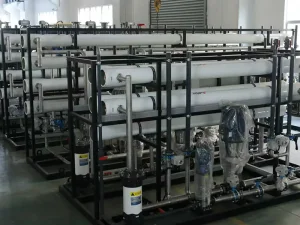
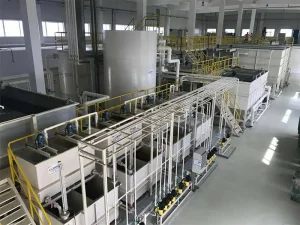
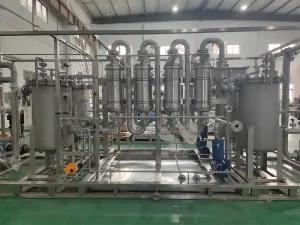
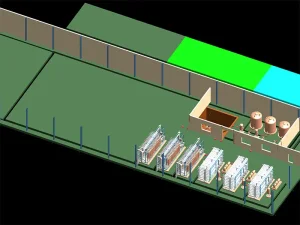
Heavy-Duty Membrane Systems: Volume Reduction & Specialty Fluid Plants
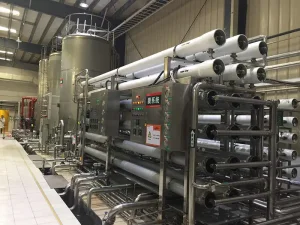
Explore our specialized portfolio of brine concentrators, ultra-pure electronics skids, and degassing separation units.
Engineer Support & Answers
Frequently Asked Questions: Wholesale Solar Desalination
Real-world engineering, pricing, and operating details addressing the core inquiries of EPC contractors and facility engineers.
What parameters are essential to size a commercial wholesale solar desalination system?
To generate an accurate hydraulic balance and CAPEX proposal, we require: (1) A comprehensive raw seawater analysis sheet including Total Dissolved Solids (TDS), temperature seasonal ranges, Boron, Silica, Iron, Hardness, and Silt Density Index (SDI); (2) Desired clean permeate output per day (m³/day or GPD) and targeted drinking/process water quality; (3) Operating mode preference: pure daytime direct-solar drive, or hybrid 24/7 round-the-clock operation supported by energy storage systems (BESS) or grid interconnects.
How does Tongjie solve the membrane damage risk caused by sudden solar irradiance dropouts?
Our solar-direct systems employ closed-loop smart VFD controllers integrated with ceramic Isobaric Energy Recovery Devices (PX). In the event of rapid cloud cover, the control engine does not shut down pumps abruptly. Instead, it decreases feed throughput proportionally while controlling the brine reject valve to stabilize trans-membrane pressure. If power falls below 30% of rated capacity, the unit initiates an automatic low-pressure permeate displacement cycle to sweep high-salinity water from the membrane surfaces, preventing osmotic shock and scaling.
What is the actual Specific Energy Consumption (SEC) of your solar SWRO plants?
By pairing low-energy high-rejection polyamide membranes with cutting-edge isobaric pressure exchangers that achieve up to 96% hydraulic energy transfer from the concentrate stream, Tongjie containerized seawater desalination units operate at benchmark SEC values between 2.8 and 3.4 kWh/m³ (subject to raw water TDS and temperature profiles), significantly lower than conventional thermal or unassisted RO systems.
Can containerized solar desalination units operate completely off-grid in remote desert locations?
Yes. Our containerized off-grid series integrates solar PV generation, micro-inverter power conditioning, thermal insulation, heavy-duty HVAC, and backup battery buffers within heavy-gauge ISO shipping containers. They are delivered fully factory-assembled, plumbed, and wired. Onsite installation requires only setting the container on stable footings, connecting raw water intake lines, permeate delivery lines, and plugging in solar string connections.
What ODM/OEM manufacturing and customization capabilities do you provide for EPC firms?
As a premier Chinese manufacturer, Tongjie provides complete turnkey ODM/OEM private-label fabrication. We customize structural footprints (skid or 20ft/40ft container layouts), metallurgy selections (SS316L, 2205 Duplex, 2507 Super Duplex, Titanium Grade 2), control architecture (Siemens, Allen-Bradley, or Omron PLC with custom SCADA), and supply branded documentation packages including tailored Operation & Maintenance manuals and localized HMI languages.
What international quality certifications back Tongjie’s equipment exports?
Shanghai Tongjie holds CE certifications for EU compliance, and operates under ISO 9001 (Quality Management), ISO 14001 (Environmental Management), and ISO 45001 (Occupational Health & Safety). Our company holds Class II national contracting qualifications in Environmental Engineering and Mechanical & Electrical installation, reinforced by over 38 utility and invention patents.