Primary Industrial Water Treatment Solutions for Japan Sector
Engineered for high efficiency, compact footprint, energy recovery, and rapid deployment in demanding environments.
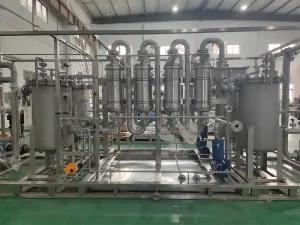
Japan’s Industrial & Coastal Water Dynamics: Demand, Constraints & Evolution
Understanding the unique environmental, economic, and technological driver shaping water treatment infrastructure across the Japanese archipelago.
Japan presents a highly specialized market for industrial water purification and seawater desalination systems. As an island nation characterized by mountainous topography, densely populated coastal corridors, and limited natural freshwater catchment basins, Japan has historically prioritized maximum water circularity and extreme supply security. Over the past decade, several macro-economic and structural shifts have dramatically escalated the demand for high-performance, compact, and energy-efficient seawater reverse osmosis (SWRO) systems, zero liquid discharge (ZLD) plants, and ultrapure water (UPW) pre-treatment units.
Semiconductor "Silicon Island" Resurgence
With major chip fabrication expansions in Kyushu (Kumamoto), Hokkaido (Chitose), and Tohoku, demand for reliable 18.2 MΩ·cm Ultrapure Water (UPW) and high-recovery RO/EDI pre-treatment systems has surged to unprecedented levels.
- Strict TOC (Total Organic Carbon) thresholds (<1 ppb)
- High-efficiency degassing and deoxygenation requirement
- Continuous 24/7/365 uninterrupted supply reliability
Disaster Preparedness & Nankai Resilience
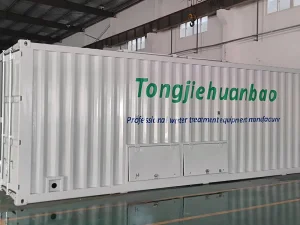
In response to potential seismic events and Nankai Trough earthquake preparedness plans, municipal water utilities and coastal industrial parks are procuring containerized mobile SWRO desalination units as decentralized emergency backup infrastructure.
- Plug-and-play containerized design for immediate mobilization
- Self-contained diesel generator or off-grid solar integration capability
- Seismic-isolated skid framing compliant with strict structural codes
Green Hydrogen & Ammonia Feedstock
Japan’s national decarbonization strategy places heavy emphasis on green hydrogen and ammonia power generation. Coastal electrolyzer facilities demand mass desalted water feedstock purified to high conductivity specs.
- Low specific energy consumption (<2.8 kWh/m³ for SWRO stage)
- Integrated thermal-membrane ZLD for coastal chemical complexes
- Boron rejection down to <0.5 mg/L for sensitive electrolyzer stacks
Strategic Procurement Shift in Japan: Major Japanese engineering, procurement, and construction (EPC) firms and industrial plant operators are increasingly partnering with top-tier Chinese water treatment manufacturers under ODM/OEM frameworks. By leveraging China’s unparalleled supply chain velocity and advanced component fabrication alongside Japanese quality standards, procurement teams achieve up to 40% CAPEX savings without compromising component reliability or operational longevity.
Global Seawater Desalination Landscape: Technological Paradigm Shifts
How international advancements in membrane chemistry, energy recovery, and hybrid process trains are transforming global water security.
The global seawater desalination market has transitioned permanently from legacy thermal processes (such as Multi-Stage Flash and Multi-Effect Distillation) to membrane-based Seawater Reverse Osmosis (SWRO). Today, SWRO represents over 85% of newly installed global desalination capacity due to its superior energy efficiency, lower carbon intensity, and modular scalability.
Key Global Technology Drivers
1. Isobaric Energy Recovery Devices (ERD): Modern SWRO plants achieve specific energy consumption (SEC) levels below 2.5 to 3.0 kWh/m³ by incorporating pressure exchangers that recover up to 98% of the hydraulic energy from the concentrated brine stream. This innovation drastically reduces operational expenditures (OPEX), rendering desalted water economically viable for industrial manufacturing and municipal consumption alike.
2. High-Pass Boron Rejection Systems: Industrial users in agricultural, electronics, and municipal sectors enforce stringent boron targets (<0.5 mg/L or <0.3 mg/L). Modern double-pass SWRO system configurations, featuring specialized high-rejection polyamide membranes operating at elevated pH levels in the second pass, guarantee consistent compliance regardless of seasonal seawater temperature variations.
3. Disc Tube RO (DTRO) & High-Pressure Reverse Osmosis (HPRO): For ultra-high salinity brine concentration and complex industrial wastewater streams exceeding 100,000 mg/L TDS, DTRO and specialized spiral-wound HPRO systems operating up to 120 bar pressure are replacing traditional thermal evaporators in early concentration stages, cutting total energy consumption for Zero Liquid Discharge (ZLD) installations by more than half.
The China Manufacturing Advantage: Unmatched Value Chain & Scale Efficiency
Why international procurement managers choose Shanghai Tongjie for full value-chain OEM/ODM contract manufacturing.
Complete Supply Chain Integration
Located in the Yangtze River Delta industrial hub (Shanghai/Jiangsu), our facility direct-sources high-grade Super Duplex Stainless Steel (UNS S32750), titanium alloys, premium membrane vessels, and world-class pumps with zero supply chain latency.
Rigorous Factory Acceptance Testing (FAT)
Every containerized plant and skid system undergoes 100% full-load hydro-testing, electrical safety verification, PLC automated logic simulations, and water quality testing prior to export shipping, ensuring seamless field commissioning.
Accelerated Engineering Lead Times
Modularized standard frame designs, 3D BIM digital twin modeling, and automated orbital welding reduce project execution schedules by 40% compared to traditional European or American OEMs.
Localized Application Scenarios Across Japan
Customized engineering configurations addressing specific regional industrial challenges from Okinawa to Hokkaido.
1. Island Communities & Remote Resorts (Okinawa, Amami, Ogasawara Islands)
Remote islands face acute freshwater shortages during summer tourism surges and typhoon seasons. Tongjie’s skid-mounted and containerized SWRO desalination systems are built with compact 20ft and 40ft ISO container footprints, plug-and-play connections, anti-corrosion C5-M marine grade coatings, and automated remote cloud monitoring. These units provide stable potable water (<200 mg/L TDS) directly from raw Pacific seawater.
2. High-Tech Semiconductor Fabs (Kyushu "Silicon Island" & Tohoku)
Semiconductor manufacturing demands ultra-pure water with stringent resistivity (18.2 MΩ·cm) and near-zero dissolved gases. Our integrated system solution combines multi-stage double-pass RO, deoxygenation membrane contactors for dissolved oxygen (DO) removal down to <1 ppb, continuous electrodeionization (EDI), and UV TOC reduction, delivering continuous process water to chip fabrication plants.
3. Thermal & Nuclear Power Station Auxiliary Water
Japanese coastal power generation facilities require demineralized boiler makeup water sourced directly from the sea. By integrating high-pressure SWRO with downstream EDI, Tongjie delivers high-purity feedwater while resisting harsh coastal marine environments through heavy-duty titanium heat exchangers and 2507 super duplex piping assemblies.
4. Food & Beverage Processing Facilities
Japanese food production standards demand flawless hygiene and taste consistency. Our sanitary design RO and purified water equipment incorporates electro-polished stainless steel sanitary piping, automatic hot-water sanitization (85°C), and dual-membrane barrier protection to guarantee microbiologically safe process water for beverages, sauces, and seafood processing plants.
Key Industry Development Trends & Engineering Innovations
Innovations defining the next decade of sustainable, carbon-neutral, and intelligent water management.
AI Smart Analytics & Digital Twin Maintenance
Integration of IoT edge sensors, real-time membrane fouling predictive algorithms, and automated chemical dosing optimization, allowing remote monitoring of Japanese site installations directly from central operation rooms.
Hybrid Membrane-Evaporation ZLD
Coupling High-Pressure Reverse Osmosis (HPRO) and Disc Tube RO (DTRO) with Mechanical Vapor Recompression (MVR) evaporators to reduce crystal recovery energy by 45%, enabling zero wastewater discharge for chemical plants.
Low-Carbon Off-Grid SWRO Units
Direct coupling of dynamic photovoltaic solar power and energy storage to SWRO systems. Variable-frequency high-pressure pumps automatically adjust feed pressure based on solar irradiance for 100% green water production.
Compliance, Quality Assurance & Procurement Standards
Meeting the strict technical specifications demanded by global EPC contractors, Japanese industrial buyers, and municipal authorities.
Navigating cross-border procurement for heavy industrial water treatment equipment requires strict compliance with international manufacturing codes and quality management systems. Tongjie holds full accreditation and design capabilities spanning multiple global standards:
Management System Certification
- ISO 9001:2015 Quality Management Systems
- ISO 14001:2015 Environmental Management Systems
- ISO 45001:2018 Occupational Health & Safety
Code Compliance & Materials
- CE Marking Pressure Equipment Directive (PED 2014/68/EU)
- JIS Standards Japanese Industrial Standards for piping/valves
- ASME Code Section VIII Pressure Vessel Design
Quality Assurance Testing
- 100% Non-Destructive Testing (NDT) on duplex welds
- Helium leak testing for deoxygenation degassing modules
- Complete FAT documentation, P&ID, 3D CAD & electrical schematics
Require a Custom SWRO or Industrial Water Proposal for Japan?
Send us your feed water analysis (TDS, silica, hardness, temperature range) and daily capacity goals. Our engineering experts will deliver a comprehensive process flow design and competitive quote within 24 hours.
Send Inquiry NowFrequently Asked Questions (FAQ) & Technical Insights
Direct engineering answers regarding SWRO sizing, OEM/ODM cooperation, shipping lead times, and water treatment specifications for Japan.
What key raw water parameters are required to size a Seawater Reverse Osmosis (SWRO) system for Japan?
How fast can containerized SWRO units be delivered and commissioned in Japanese coastal areas?
Can Shanghai Tongjie provide custom OEM/ODM manufacturing under local Japanese engineering brand names?
How do your systems handle anti-corrosion for long-term harsh marine environments?
What technology is used for dissolved oxygen (DO) removal in semiconductor water systems?
How does Tongjie achieve Zero Liquid Discharge (ZLD) for high-salinity industrial wastewater?
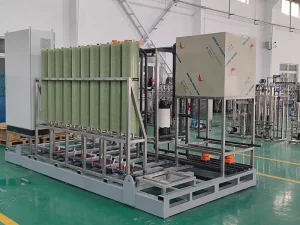
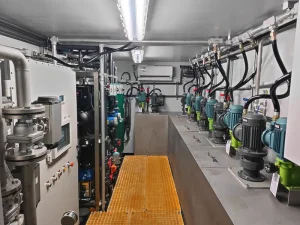
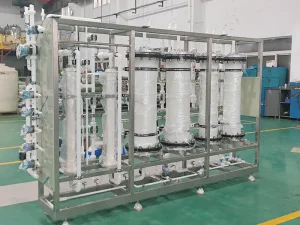
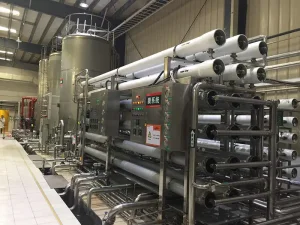
Extensive Range of Advanced Water Treatment & Reuse Systems
Select from our complete portfolio of membrane equipment, zero-discharge plants, and mobile desalination skids.
Ready to Engineer Your Water Treatment System?
Partner with Shanghai Tongjie for industry-leading Seawater Reverse Osmosis, ZLD, and Ultra-Pure Water solutions tailored for Japan and global industrial markets.
Send Inquiry Now