
China High-Efficiency Brine Concentration Systems by China Suppliers | Factory Solutions for Wastewater Treatment Suppliers, Manufacturers
Product Description
Core Features
The fully membrane-based concentration technology achieves a specific energy consumption of only 7–11 kWh/m³, comparable to conventional seawater RO membranes, yet delivers a much higher concentration ratio. It saves over 70% energy compared to traditional evaporation methods. For a high-salinity wastewater treatment scenario with a daily capacity of 1,000 m³, the evaporation crystallization load can be reduced by 60%–80% after membrane concentration, saving millions of CNY annually in steam and electricity costs. Energy consumption comparison: a triple-effect falling film evaporator consumes 300–350 kg/m³ of steam and 18–20 kWh/m³ of electricity, equivalent to an overall energy consumption of 78–90 kWh/m³, which is 8–11 times higher than the fully membrane-based concentration system.
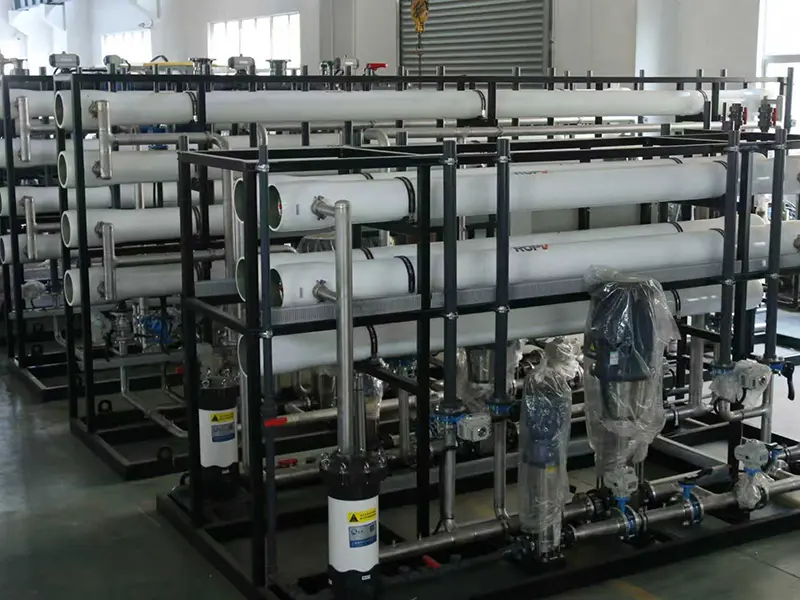
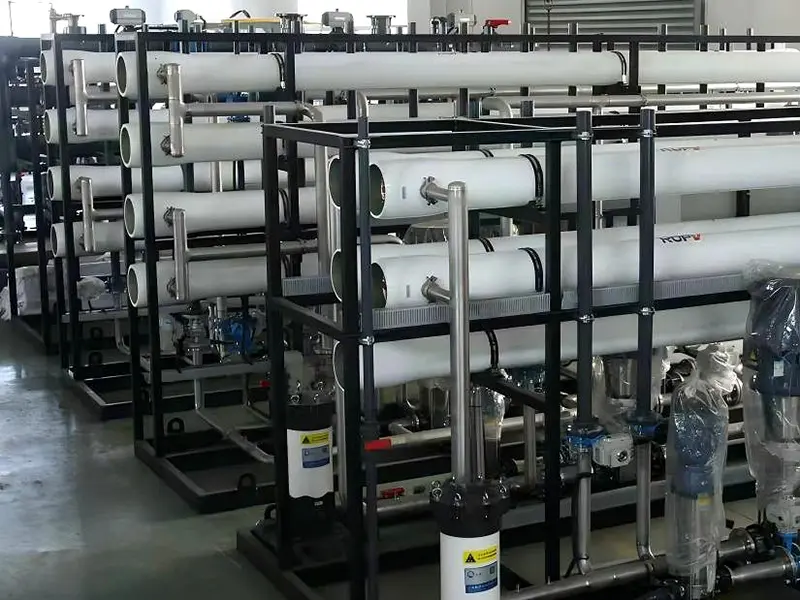
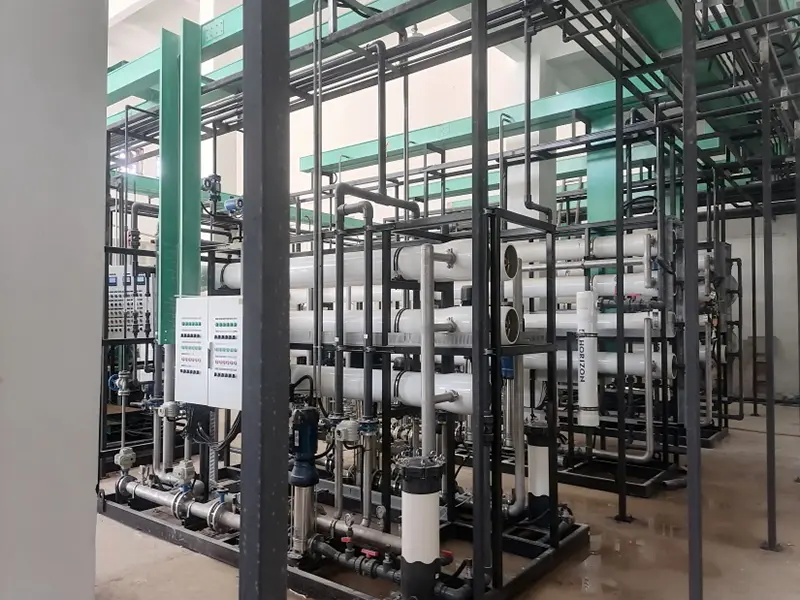
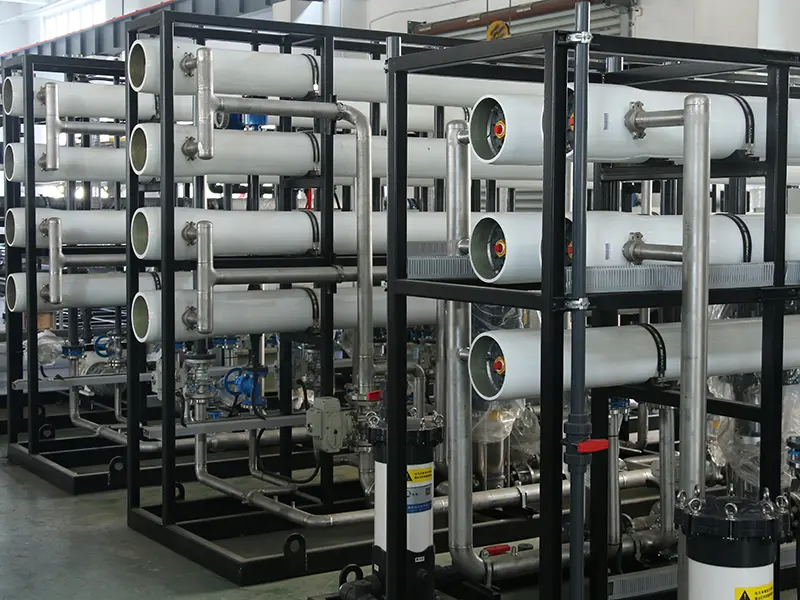
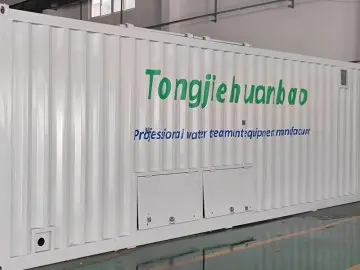
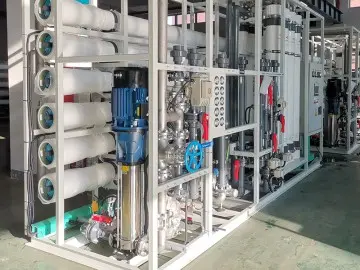
The standard containerized skid module allows integrated installation and relocation; a single unit can serve multiple wastewater sites. It integrates PLC intelligent control and IP65 protection rating, adapting to extreme working conditions, with online monitoring and real-time alarms, supporting unattended continuous operation. The system incorporates an online membrane performance monitoring device that enables real-time tracking of each membrane module's permeability, promptly detecting performance decline and performing targeted maintenance, preventing damage to individual membrane modules from affecting overall system operation.
TDS can be directly concentrated from tens of thousands mg/L to over 210,000 mg/L, approaching the saturation concentration of sodium chloride, creating optimal conditions for subsequent crystallization or resource recovery. The concentrate volume reduction is significant, allowing a substantial reduction in the size of evaporation crystallizers.
Full series capacities from 0.5 to 500 m³/h are available, supporting multiple skids in parallel for capacity expansion, meeting multi-level needs from single factories to centralized treatment in industrial parks. Actual parameters are custom-optimized based on feed water quality, TDS concentration, and process route.
Coupled with nanofiltration salt separation technology, sodium chloride, sodium sulfate, etc., can be separated and recovered from wastewater, producing industrial-grade salt by-products for sale, transforming "spending money on wastewater treatment" into "recovering resources for profit", aligning with circular economy and sustainable development concepts.
Application Fields
Zero Liquid Discharge for Chemical Industrial Park High-Salinity Wastewater
The fully membrane-based process concentrates high-salinity wastewater to over 210,000 mg/L, significantly reducing the evaporation crystallization load and lowering the full-cycle operating cost of the ZLD system.
Resource Recovery from Electroplating Wastewater
The volume of electroplating concentrate can be reduced by up to approximately 20%, markedly shortening subsequent evaporation steps, substantially lowering energy consumption, and increasing the recovery rate of valuable product water.
Salt Separation & Recovery from Textile/Pharmaceutical High-Salinity Wastewater
Combining concentration with nanofiltration salt separation technology, sodium chloride, sodium sulfate, etc., are separated and recovered from the wastewater, producing industrial-grade salt by-products for sale, achieving a virtuous cycle of "pollution control coupled with profit generation."
Coal Chemical ZLD Retrofit
Without adding evaporator capacity, the fully membrane-based technology can more than double the treatment capacity of an existing ZLD system, solving the pain point of mismatched production expansion and environmental protection capacity.
Urgent Environmental Compliance & Emergency Rectification
Rapid response to environmental inspection rectification requirements – on-site deployment completed within 1–7 days. The fully membrane-based technology achieves compliant wastewater treatment while enabling resource recovery, averting production shutdowns and penalty crises.
High-Salinity Wastewater from Steel & Non-Ferrous Metals
The concentrated high-salinity brine can be treated via nanofiltration to separate and recover valuable metal ions such as sodium and potassium. The enrichment of heavy metals in the concentrate is increased, facilitating subsequent resource extraction.
Other Products
Modular Containerized Seawater De...
Seawater desalting equipment
High-Salinity Wastewater Volume R...
OEM Precision Manufacturing
ODM Full Value Chain Innovation
Water Reuse Equipment (Pretreatme...
Water Reuse Equipment High-Ratio ...
Industrial Demineralized Water Eq...
Send Inquiry
Frequently Asked Questions
How much energy can be saved compared to traditional evaporation systems?
Our fully membrane-based concentration system operates at only 7–11 kWh/m³, delivering over 70% energy savings compared to conventional evaporators (such as triple-effect falling film evaporators consuming 78–90 kWh/m³ equivalent energy).
What is the maximum TDS concentration limit achievable?
The system can concentrate feed TDS from tens of thousands mg/L to over 210,000 mg/L, approaching sodium chloride saturation concentration and significantly shrinking subsequent crystallization sizing.
How quickly can the equipment be deployed on site?
Thanks to standard containerized skid-mounted designs, on-site deployment can be completed in 1 to 7 days, providing rapid response for urgent environmental compliance rectifications.
Can this system separate and recover useful industrial salts?
Yes. When coupled with nanofiltration salt separation, it efficiently separates sodium chloride and sodium sulfate into high-purity industrial-grade by-products for sale, turning waste treatment into a profitable resource recovery stream.
What capacity ranges are supported for system expansion?
Standard unit capacities range from 0.5 to 500 m³/h. Multiple skids can operate in parallel to scale treatment capacity up to meet centralized industrial park demands.
Can this technology be used to expand capacity in existing ZLD systems?
Yes. For Coal Chemical and chemical park ZLD systems, implementing this membrane concentration upstream can more than double total treatment capacity without requiring additional evaporator hardware.









