Wholesale China Industrial Demineralized Water Equipment Factory - RO + EDI Suppliers for High-Quality Water Solutions Factory, Manufacturer
Product Description
Product Overview and Positioning
Process Flow and Principle
💧 RO Unit Process
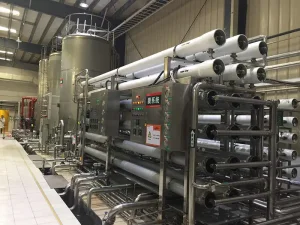
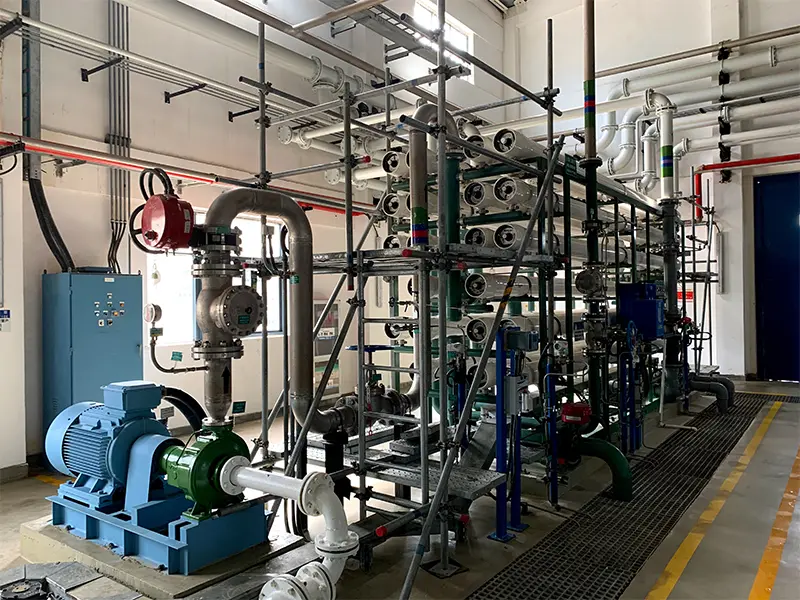
Raw water first passes through the pretreatment unit to remove suspended solids, residual chlorine, and some organic matter, then enters the Reverse Osmosis (RO) unit. The RO membrane is a polyamide composite membrane that, under an operating pressure of 1.0–1.8 MPa, removes more than 97% of dissolved salts, colloids, and microorganisms. The conductivity of the RO permeate is typically reduced to below 50 μS/cm.
⚡ Deep Demineralization (MB or EDI)
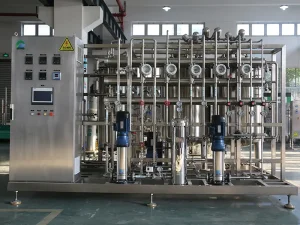
Depending on water quality requirements, the RO permeate enters a Mixed Bed (MB) or Electrodeionization (EDI) system. The mixed bed process uses cation and anion exchange resins to produce water with resistivity up to 18 MΩ·cm. The EDI process utilizes ion exchange membranes and continuous electrical regeneration to produce water with resistivity consistently above 17 MΩ·cm without chemical regeneration agents.
Equipment Structure and Core Components
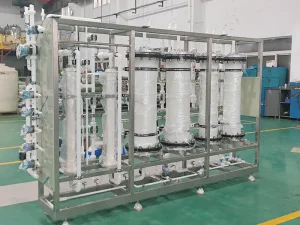
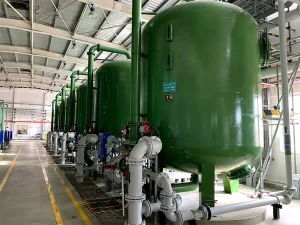
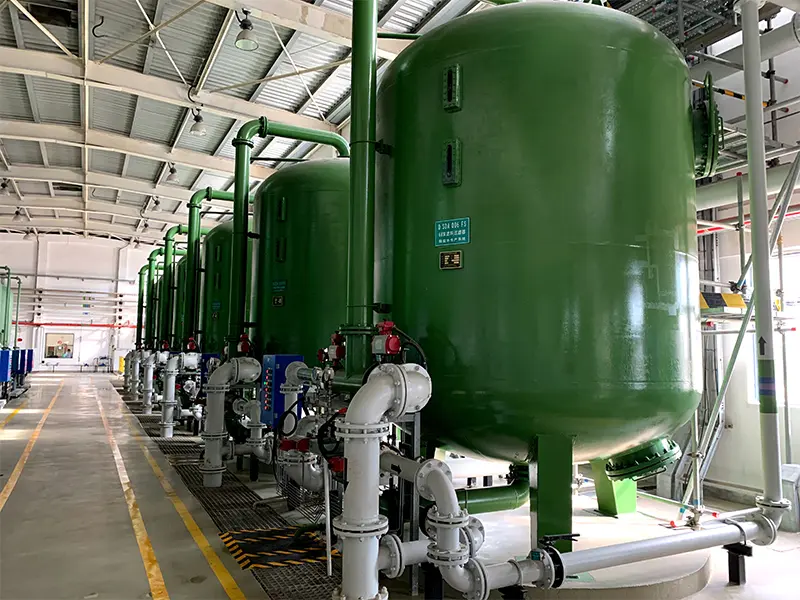
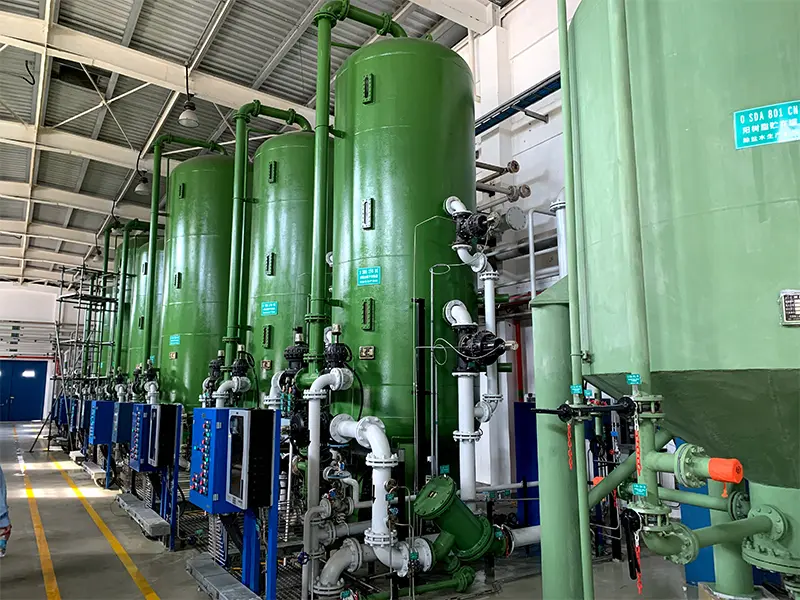
- Pretreatment Filters: Multimedia and activated carbon filters for solids and chlorine removal.
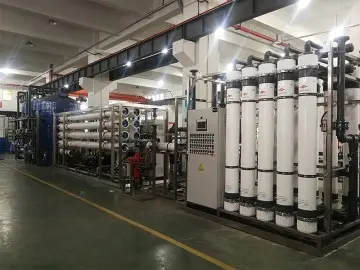
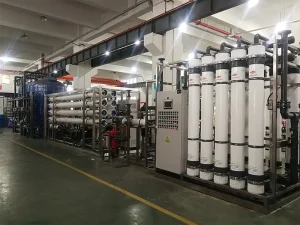
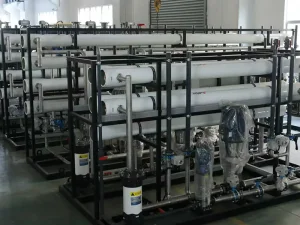
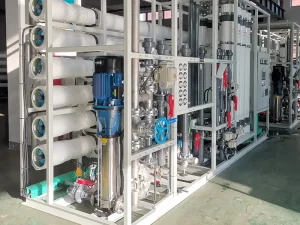
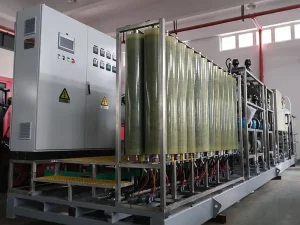
- RO Membrane Modules: Spiral-wound brackish water membranes in FRP or stainless steel vessels.
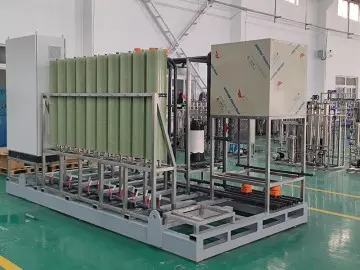
- Deep Demineralization: Mixed bed units with resin traps or EDI modules with plate-and-frame structures.
- Control System: PLC control cabinet for automatic operation and online conductivity monitoring.
- Support Systems: Integrated chemical dosing and cleaning systems.
Key Performance Indicators
- Product Water Conductivity: MB < 0.1 μS/cm; EDI < 0.06 μS/cm.
- Product Water Resistivity: MB ≥ 18 MΩ·cm; EDI ≥ 17 MΩ·cm.
- Silica Content: Controlled at ≤ 20 μg/L.
- Hardness: Zero scale formation guaranteed for downstream equipment.
Application Fields
- Power Industry: High-pressure boiler makeup water.
- Electronics: Pretreatment for ultrapure water systems.
- Pharmaceutical: Purified water and water for injection.
- Chemical Industry: Process ingredients and reaction media.
- Food & Beverage: High-quality production water.
Other Products