ODM China Suppliers Factory: Advanced Fracturing Flowback Water Reuse Treatment Equipment for Oil & Gas Operations Suppliers, Manufacturers
Product Description
Shale gas development relies on large scale hydraulic fracturing, with single well water consumption as high as 10,000–30,000 m³ and flowback rates of 15%–80%. The flowback fluid typically contains >1,000 mg/L oil, 2,000–8,000 mg/L suspended solids (SS), and large amounts of high molecular weight polymer additives, making its viscosity up to ten times that of ordinary wastewater. If improperly disposed of, such complex, high salinity, high COD waste fluid can not only impose long term ecological pressure on soil and groundwater but also increase oilfield operational risks and costs due to equipment scaling, blockage, and rising reinjection pressure.
Traditional treatment and hauling modes are being squeezed from two sides: on the one hand, the National Energy Administration has explicitly required that by 2026, the water reuse rate for oil & gas field wastewater in China must reach over 85%; on the other hand, the Technical Specification for Collection and Treatment of Shale Oil Fracturing Flowback Fluid (NB/T 11838 2025) is about to be formally implemented. “Compliance” is rapidly shifting from a cost item to a key variable determining project viability. At the same time, direct discharge restrictions are tightening, and reinjection well permitting is becoming more stringent, significantly raising the overall threshold for subsurface disposal.
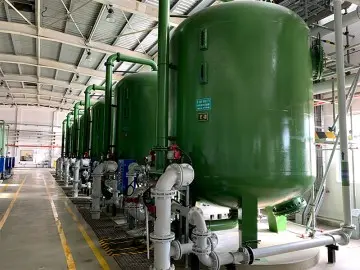
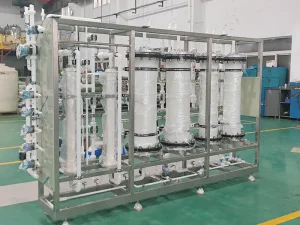
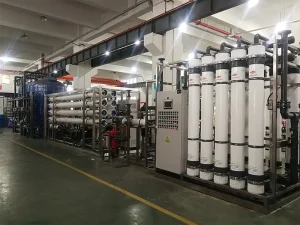
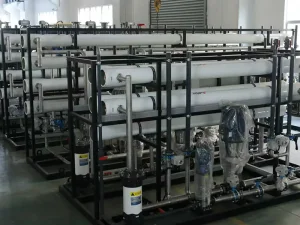
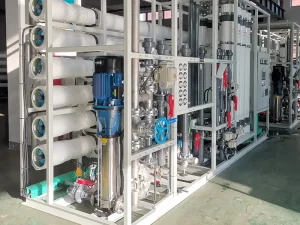
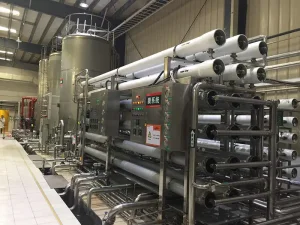
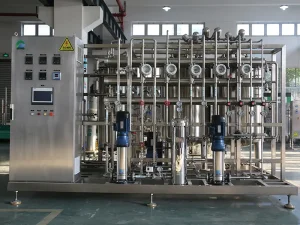
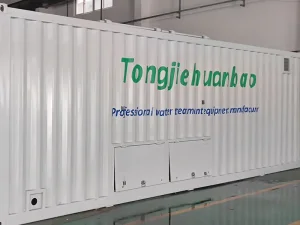
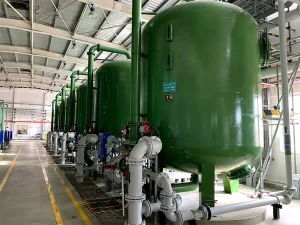
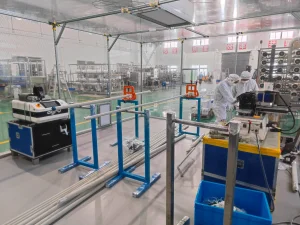
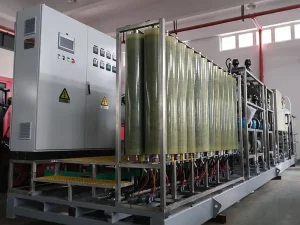
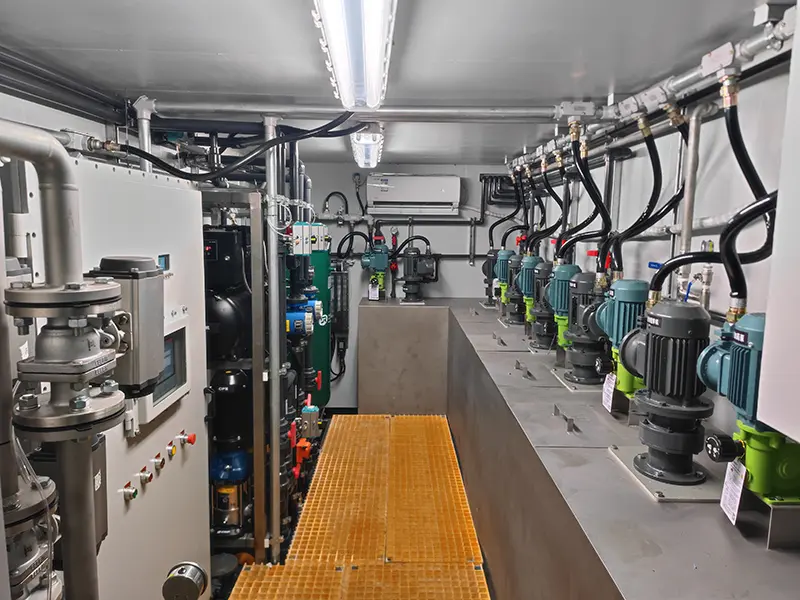
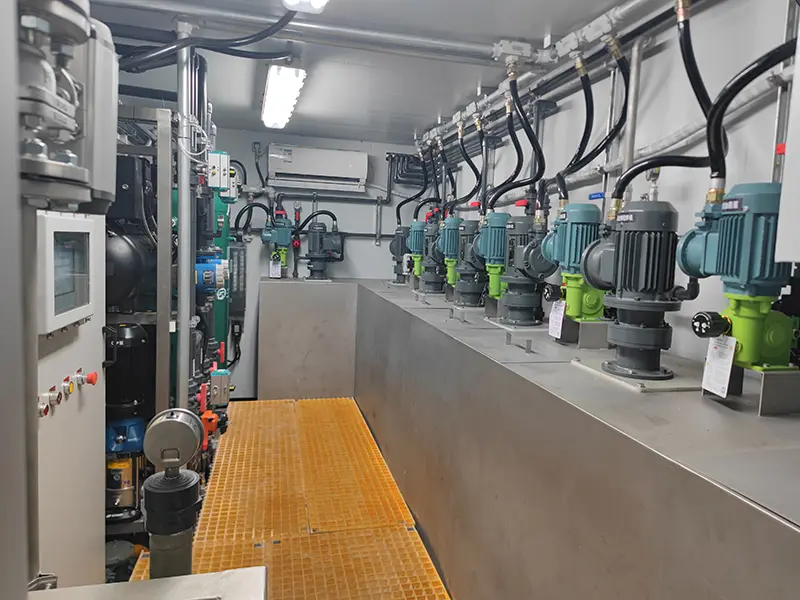
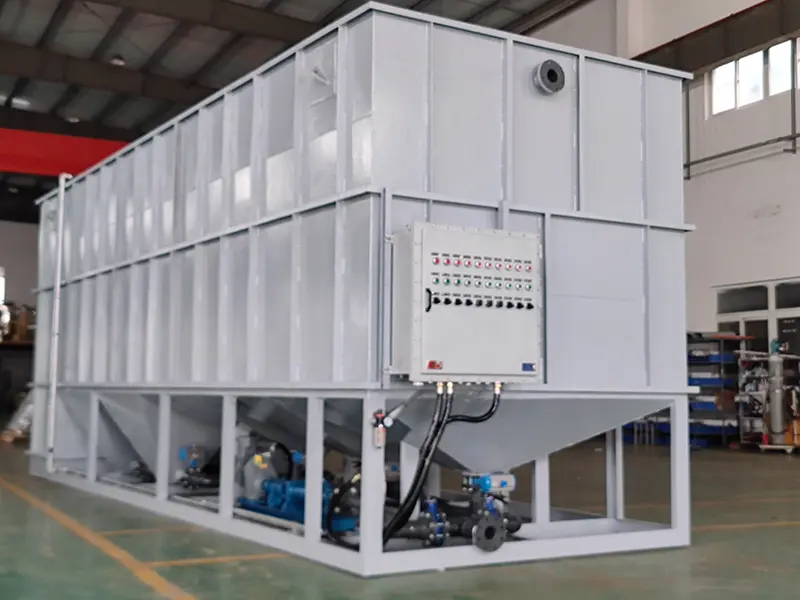
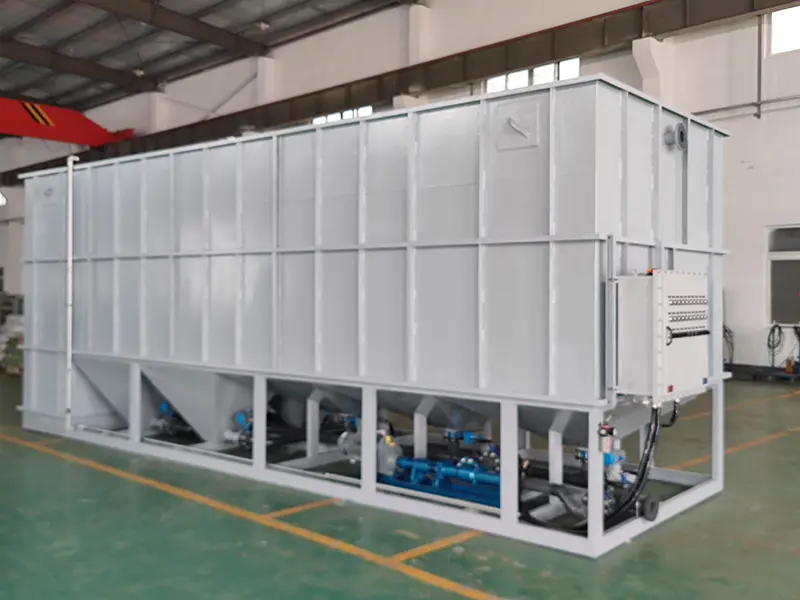
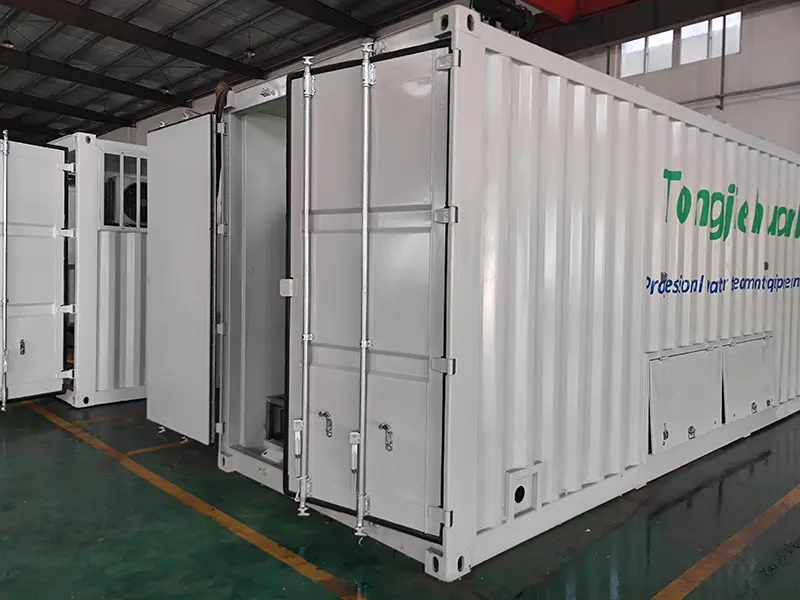
Our Fracturing Flowback Water Reuse Treatment Equipment is an integrated solution tailored specifically for onsite oil & gas field operations. Targeting the typical characteristics of flowback fluid – high viscosity, high turbidity, and highly variable composition – it adopts a multi stage process coupling “pretreatment + advanced oxidation + membrane separation + deep polishing”. Skid mounted, containerized, or truck mounted deployment enables rapid on site treatment and immediate reuse. Treated effluent meets the water quality requirements for fracturing fluid preparation, effectively reducing the oilfield’s dependence on fresh water and significantly lowering the total cost of hauling and disposal.
Shale Gas Fracturing Flowback Fluid On Site Reuse
Shale gas development relies on large scale multi stage fracturing. Single well flowback volume is large and composition complex, making hauling and disposal costly and risky. The equipment deployed at the well site treats flowback locally and the treated effluent is directly reused for preparing new fracturing fluid, significantly reducing fresh water extraction, transportation costs, and environmental risks. Fuling Shale Gas Field has treated over 1.2 million m³ of flowback fluid and applied the technology to more than 190 wells.
Tight Gas / Coalbed Methane Fracturing Flowback Fluid Treatment
Tight sandstone gas and coalbed methane fracturing flowback fluid has high viscosity, deep color, and high suspended solids content, making treatment difficult. The combined process of “oxidation – flocculation – membrane filtration” effectively removes high valent cations and suspended solids, producing treated effluent that meets fracturing fluid preparation requirements.
Oil & Gas Field Produced Water Reuse
Oil & gas field produced water has large volume and complex composition. After treatment, it can be reused for fracturing fluid preparation or water injection for oil recovery. Zhongyuan Oilfield Tongnanba area uses a blend of produced water and fresh water in a certain ratio, achieving over 10,000 m³ of produced water reuse and saving more than 2 million CNY in sewage treatment costs.
Oilfield Operation Wastewater Emergency Treatment
For scattered wastewater generated by temporary oilfield operations, mobile truck mounted units provide rapid response, meeting the “no landing” environmental protection requirement. This alleviates transportation and disposal pressure while effectively reducing secondary pollution risk.
Centralized Wastewater Treatment Stations
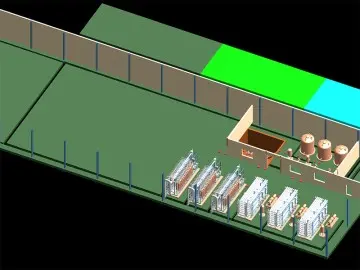
For blocks with high production and dense well patterns, multiple units can be operated in parallel to form a centralized treatment station, enabling large scale uniform treatment and reuse, supporting large scale oilfield development.
Zero Liquid Discharge (ZLD) Scenarios
For areas with strict environmental requirements, an optional MVR evaporation/crystallization module can be added to achieve full recovery of water resources and crystalline salts from flowback fluid, meeting Zero Liquid Discharge standards. Practice at the Zigong shale gas project in Sichuan showed that crystallized salt purity can reach the premium grade of refined industrial dry salt, and condensate water is directly reused for fracturing fluid preparation, truly achieving a closed “wastewater → water → salt” cycle.
QIs system scaling severe during continuous treatment?
With our chemical softening, anti-fouling membrane design, and automated online cleaning routines, scaling risk is reduced by 80%, ensuring stable, long-term operation without premature membrane degradation.
QWhat water quality standards does the treated effluent achieve?
The treated effluent complies fully with the standard requirements for preparing new fracturing fluids and well reinjection, meeting both general oilfield standards and the NB/T 11838 2025 technical specifications.
QHow quickly can the system be deployed across different field sites?
The equipment is engineered in modular skid-mounted, containerized, and truck-mounted configurations. It provides plug-and-play capability for rapid mobilization, relocation, and on-site commissioning.
QCan the system handle high variations in viscosity and suspended solids?
Yes. The coupled multi-stage process of pretreatment (gel-breaking and conditioning) combined with flotation and advanced electrocatalytic or ozone oxidation efficiently manages viscosities up to 10x regular wastewater and high SS concentrations.
QIs complete Zero Liquid Discharge (ZLD) supported?
Yes. An optional MVR evaporation and crystallization module can be integrated. This enables full recovery of industrial-grade crystallized salts and condensed water, creating a closed-loop zero discharge cycle.
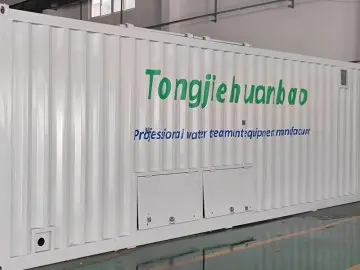
Modular Containerized Seawater Desalination Equipment
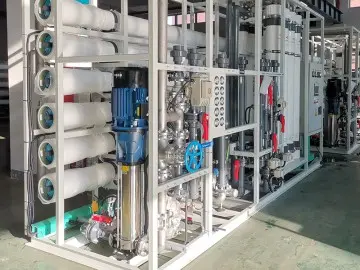
Seawater Desalting Equipment
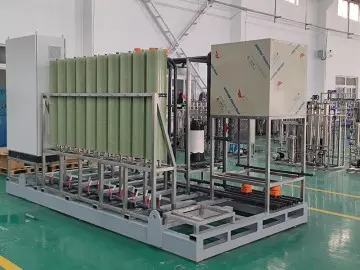
High-Salinity Wastewater Volume Reduction & ZLD System
OEM Precision Manufacturing
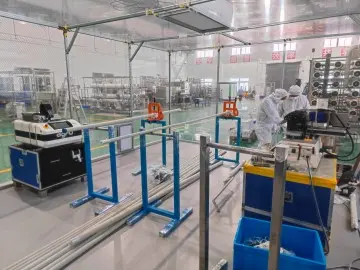
ODM Full Value Chain Innovation
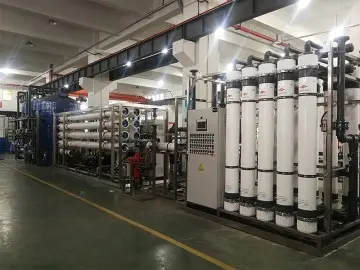
Water Reuse Equipment (Pretreatment + UF + RO Process)
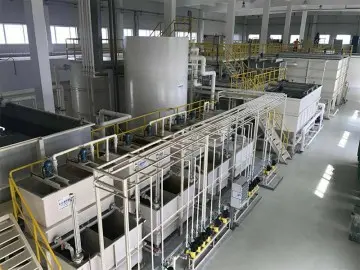
Water Reuse Equipment High-Ratio Water Reuse Process