ODM Industrial Demineralized Water Equipment from China Suppliers - High-Quality Factory Solutions for Low Conductivity Water Factory, Suppliers

,

Pretreatment + RO + Mixed Bed/EDI Process

,

Shanghai Tongjie Environmental Protection Technology Co., Ltd. is a leading factory in China that specializes in manufacturing industrial demineralized water equipment. Our state-of-the-art system utilizes a combined process of Pretreatment + Reverse Osmosis (RO) + Mixed Bed (MB) or Electrodeionization (EDI) to achieve deep demineralization of raw water, resulting in demineralized water with a conductivity level below 0.1 µS/cm. This equipment operates on advanced ion exchange and membrane separation techniques, eliminating the need for a heat source. The high-quality water produced meets the stringent low salt content requirements for various industrial applications, including high-pressure boilers, electronics cleaning, and pharmaceutical preparation. As one of the top suppliers in the industry, we are committed to delivering reliable and efficient solutions for your demineralization needs.

,

Product Description

Product Overview and Positioning

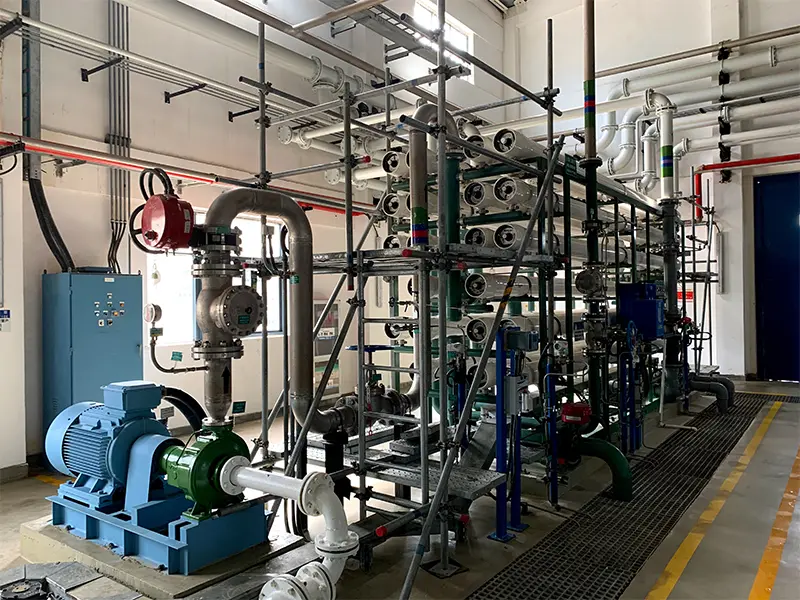
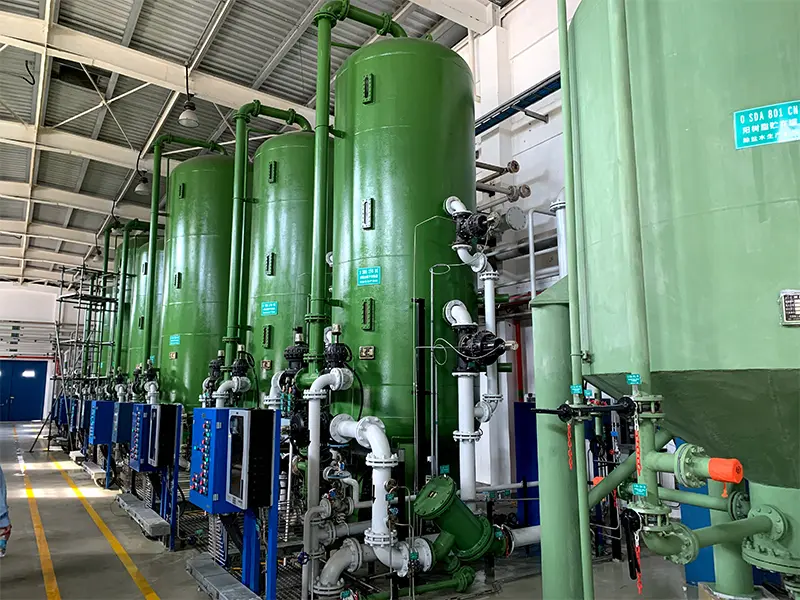
The industrial demineralized water equipment manufactured by Shanghai Tongjie Environmental Protection Technology Co., Ltd. adopts a combined process of "Pretreatment + Reverse Osmosis (RO) + Mixed Bed (MB) or Electrodeionization (EDI)" to perform deep demineralization of raw water, producing demineralized water with conductivity below 0.1 μS/cm.

The equipment operates on the principles of ion exchange and membrane separation, without the need for a heat source. The produced water quality meets the low salt content requirements of various industrial applications such as high-pressure boilers, electronics cleaning, and pharmaceutical preparation.

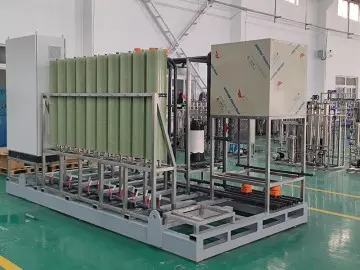
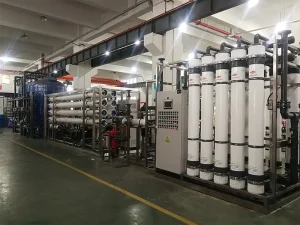
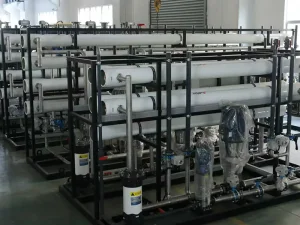
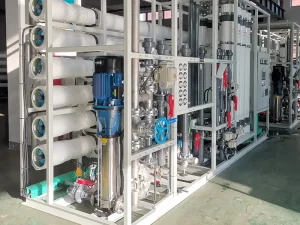
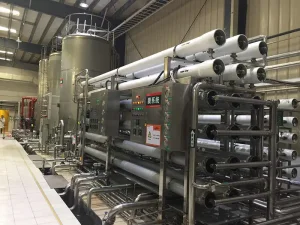
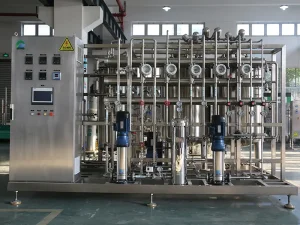
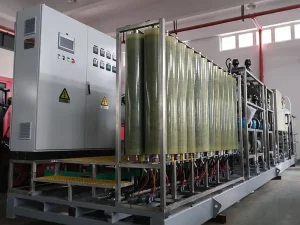
Industrial Demineralized Water Equipment
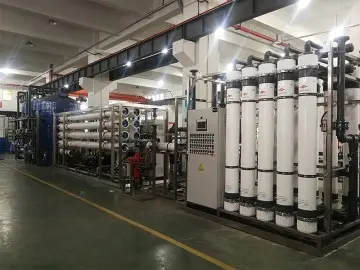
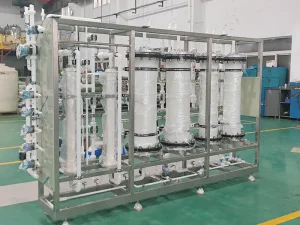
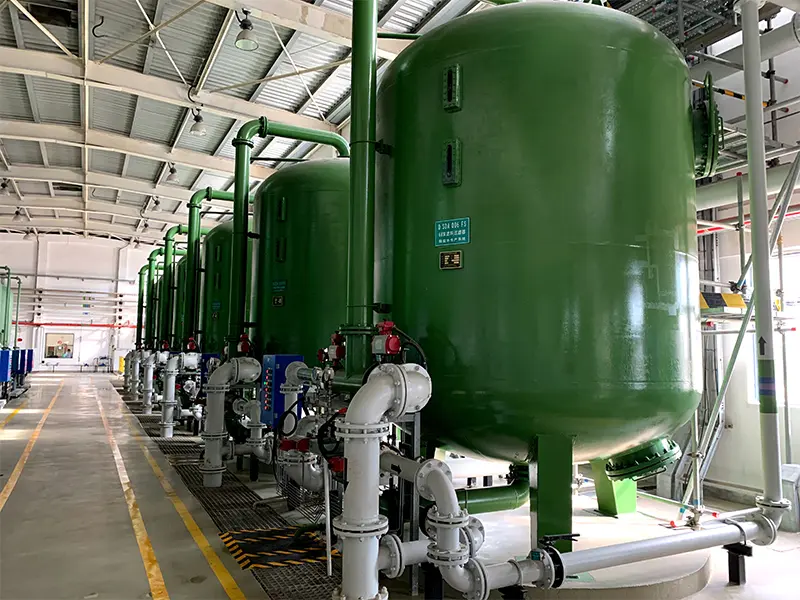
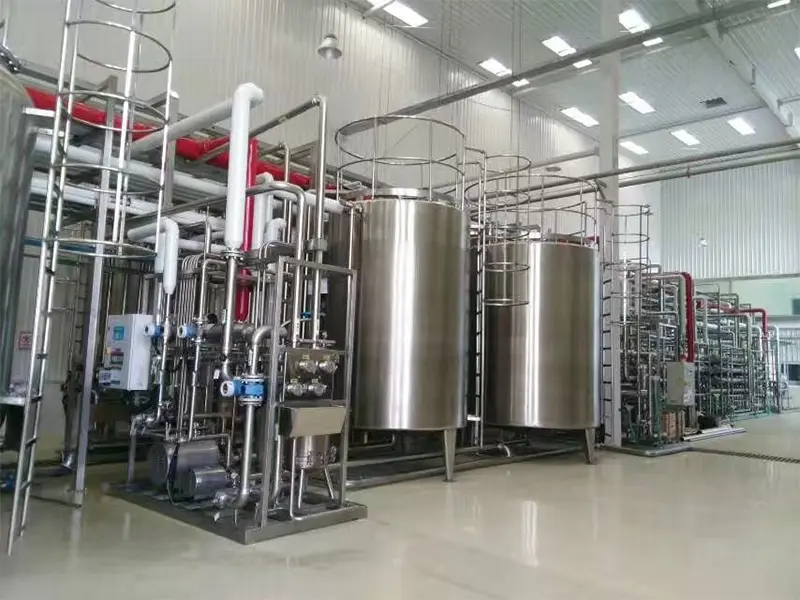
Industrial Demineralized Water Equipment Detail

Process Flow and Principle

Raw water first passes through the pretreatment unit to remove suspended solids, residual chlorine, and some organic matter, then enters the Reverse Osmosis (RO) unit. The RO membrane is a polyamide composite membrane that, under an operating pressure of 1.0–1.8 MPa, removes more than 97% of dissolved salts, colloids, and microorganisms from the water.

  • Mixed Bed (MB) Process: Uses a homogeneous mixture of cation and anion exchange resins. Residual ions are replaced with H⁺ and OH⁻ ions, producing water with resistivity up to 18 MΩ·cm.
  • EDI Process: Utilizes selective permeability of ion exchange membranes and continuous electrical regeneration under a DC electric field. Produces resistivity consistently above 17 MΩ·cm without chemical regeneration.

Equipment Structure and Core Components

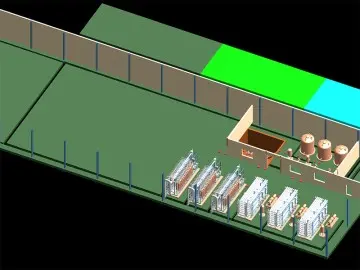
The system is a fully integrated solution consisting of:

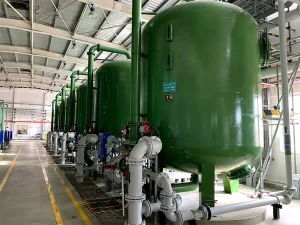
  • Pretreatment filters (Multimedia & Activated Carbon).
  • RO membrane modules (Spiral-wound brackish water membranes).
  • Mixed bed or EDI modules for deep demineralization.
  • Chemical dosing and cleaning systems.
  • PLC control cabinet for automated operation and monitoring.

Key Performance Indicators and Applicable Standards

Typical control parameters include:

Conductivity

MB: EDI:

Resistivity

MB: ≥ 18 MΩ·cm
EDI: ≥ 17 MΩ·cm

Silica Content

Controlled at ≤ 20 μg/L
(Boiler feed standards)

Compliance: Meets GB/T 12145 Quality standard of water and steam for thermal power plants.

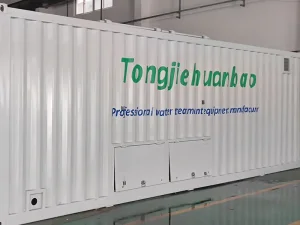
An ideal solution for meeting short-term or long-term decentralized water supply demands

Application Fields

This equipment is widely utilized across various high-demand industries:

  • Power Industry: High-pressure boiler makeup water.
  • Electronics: Ultrapure water pretreatment.
  • Pharmaceutical: Purified water and water for injection.
  • Chemical & Food: Process ingredients and reaction mediums.

Other Products
Seawater Desalination

Modular Seawater Desalination

ZLD System

Wastewater ZLD System

OEM Manufacturing

OEM Precision Manufacturing

Water Reuse

Water Reuse Equipment

Send Inquiry

Frequently Asked Questions

What is the typical water quality produced by this equipment?
The equipment can produce demineralized water with conductivity below 0.1 μS/cm. Using Mixed Bed or EDI technology, the resistivity can reach up to 17-18 MΩ·cm, meeting high-pressure boiler and electronics industry standards.
Should I choose Mixed Bed (MB) or Electrodeionization (EDI)?
Mixed Bed is cost-effective for initial investment but requires chemical regeneration (acid/alkali). EDI has a higher initial cost but offers continuous operation, stable water quality, and no need for chemical handling.
Does the system require a heat source for operation?
No, the industrial demineralized water equipment operates based on ion exchange and membrane separation principles, which do not require an external heat source.
Can the system handle high suspended solids in raw water?
The system includes a pretreatment unit with multimedia and activated carbon filters specifically designed to remove suspended solids, residual chlorine, and organic matter before reaching the RO membranes.
Is the operation fully automated?
Yes, the equipment is controlled by a PLC system that enables automatic operation, online conductivity monitoring, regeneration sequence control, and fault alarms.
What standards does the equipment comply with?
Our equipment is designed to meet standards such as GB/T 12145 for thermal power plants and various industry-specific requirements for pharmaceutical and electronics water quality.

Related Products