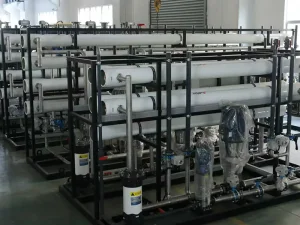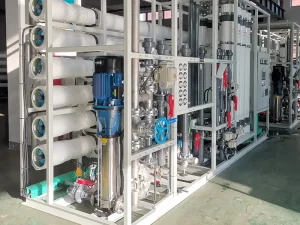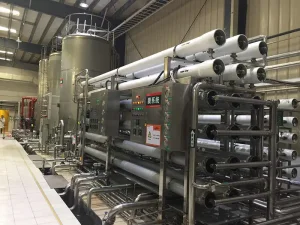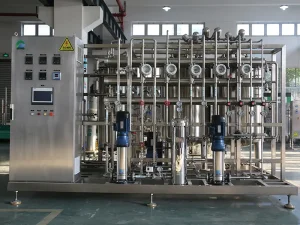
OEM Modular Seawater Desalination Equipment from China Suppliers | Factory Prefabricated for Rapid Deployment and Off-Grid Solutions Suppliers, Supplier
Product Description
⚙️Core Features
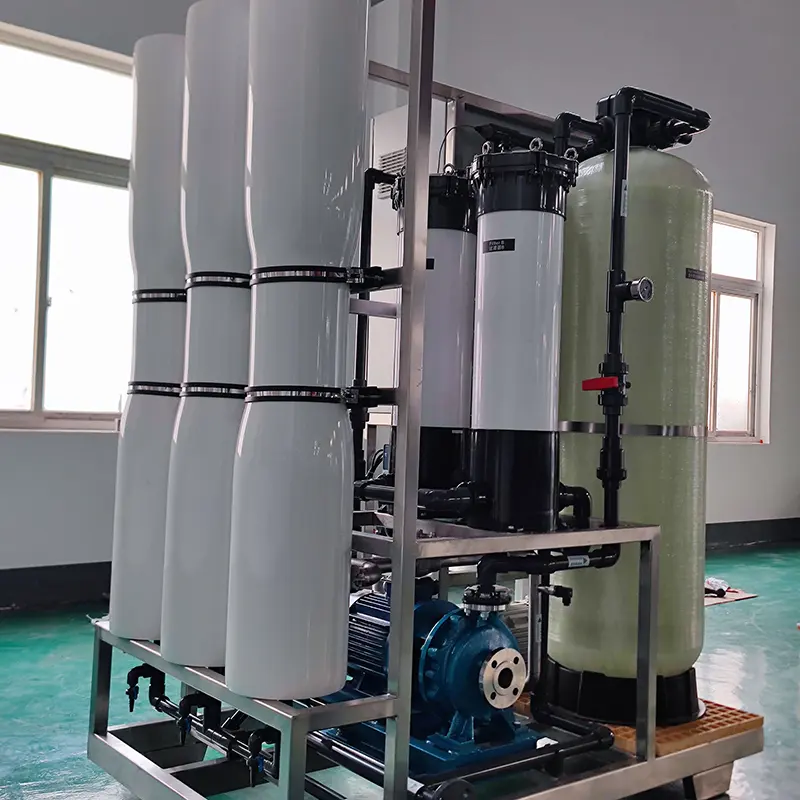
Highly integrated, rapid deployment
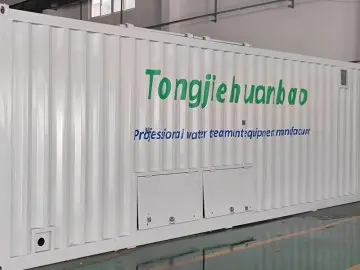
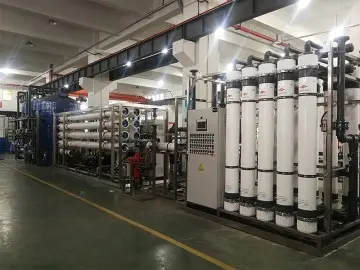
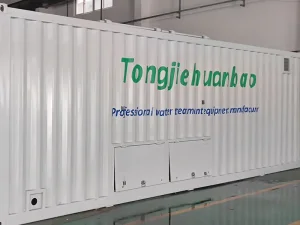
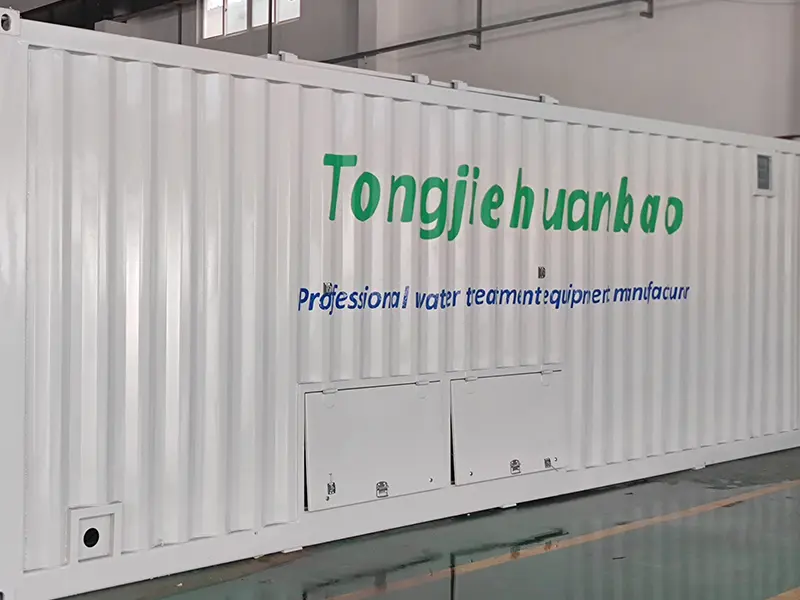
All pretreatment, reverse osmosis, control, and cleaning systems are integrated into standard 20-foot or 40-foot containers, achieving true integration and modular design. At the site, only the water inlet, outlet, power supply, and water output port need to be connected. Commissioning can be completed in as fast as 24 hours, producing qualified fresh water and significantly reducing the project timeline.
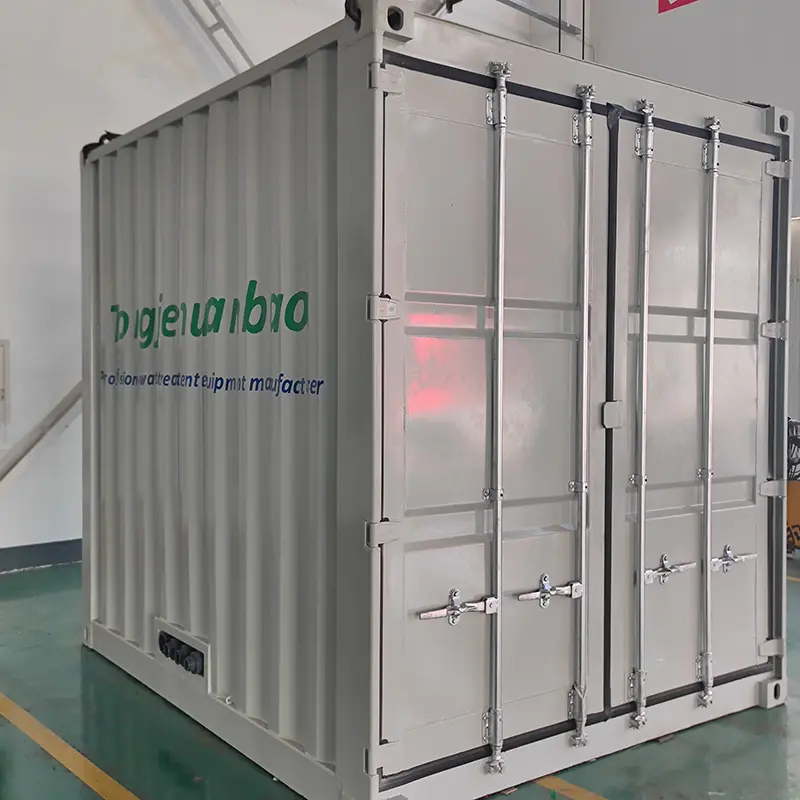
Flexible and mobile, with strong adaptability
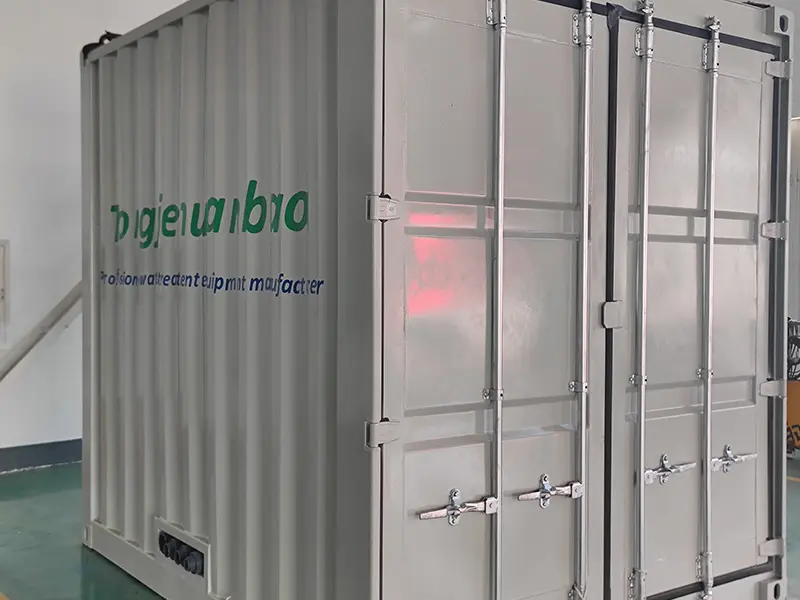
Compliant with international container transportation standards, it can be easily transported via sea, land, or rail to any required destination worldwide. The robust container shell provides excellent protection for the internal precision equipment, making it suitable for various complex climatic and environmental conditions such as those in the field, on islands, or in deserts.
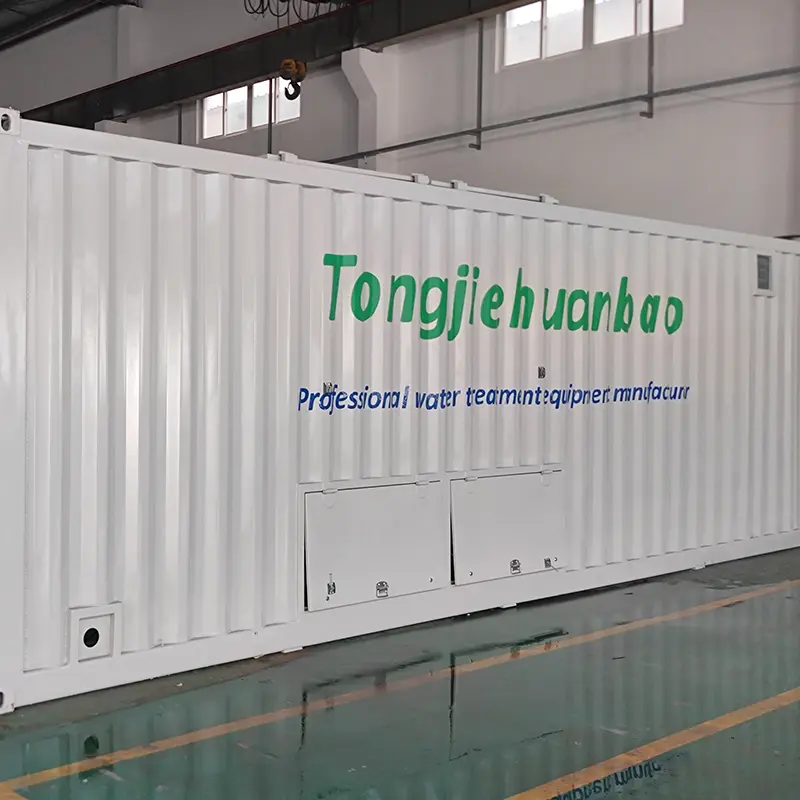
Powerful performance and stable operation
Despite its compact design, the core manufacturing process remains consistent with that of large-scale equipment, with a daily water production capacity per tank ranging from 20 to 500 tons (scalable through parallel expansion of multiple tanks). The treated water meets stringent standards for drinking water or industrial use. The internal layout is well-designed, with clear maintenance access routes and key equipment easily accessible for inspection and maintenance.
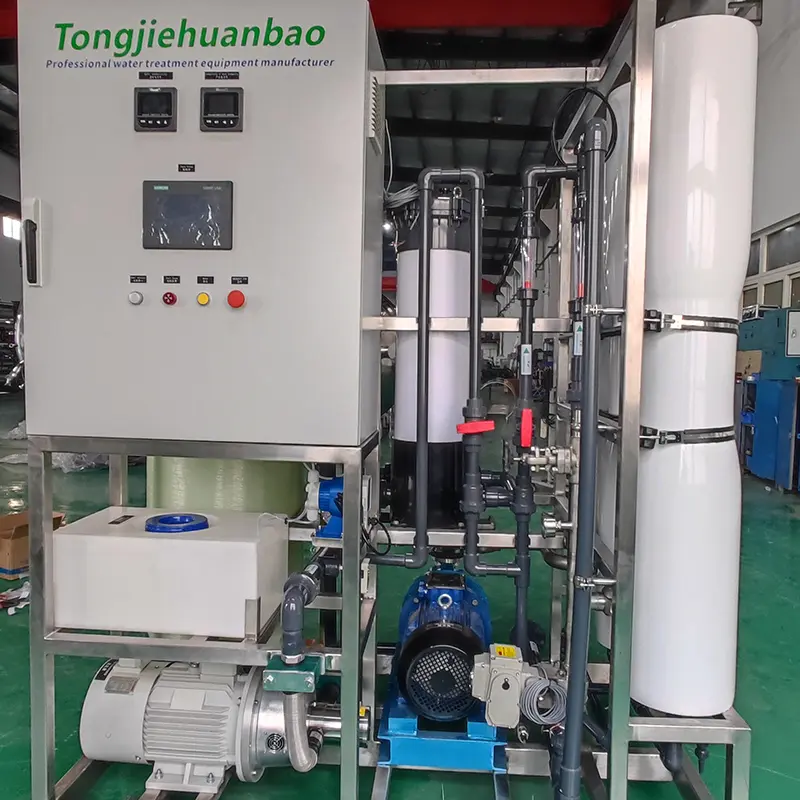
Intelligent control, easy operation
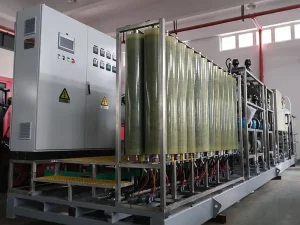
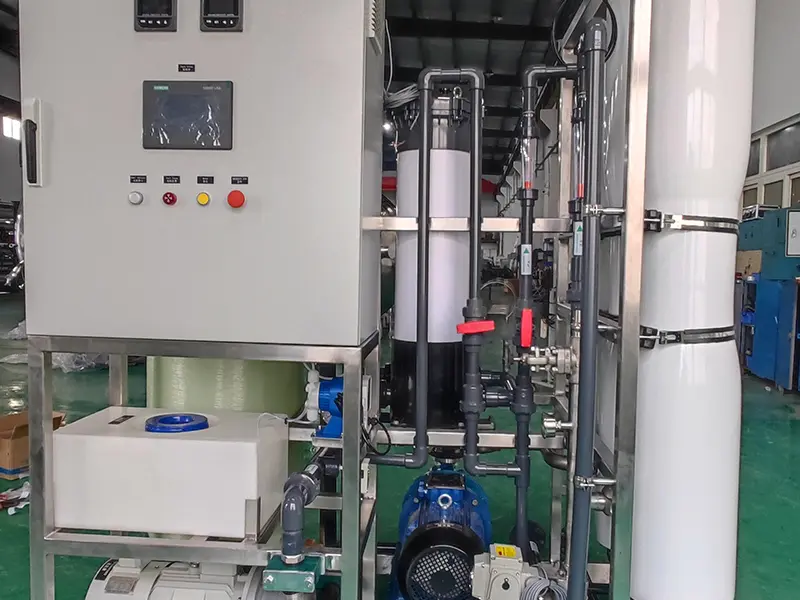
Equipped with an intelligent touchscreen control system, it features fully automatic operation, one-touch start/stop, status monitoring, fault alarms, and remote management capabilities. The interface is user-friendly, allowing non-professionals with basic training to handle daily operations effectively.
🚀Technological Superiority

Optimized compact process design
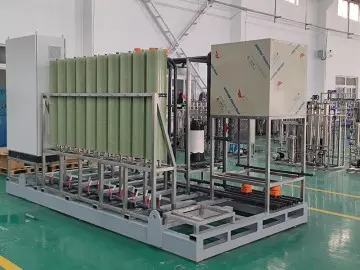
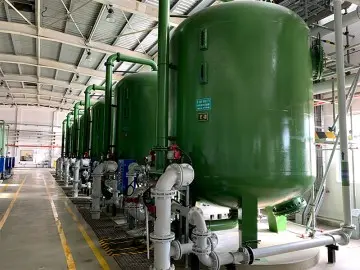
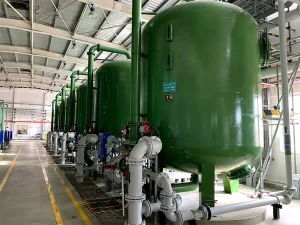
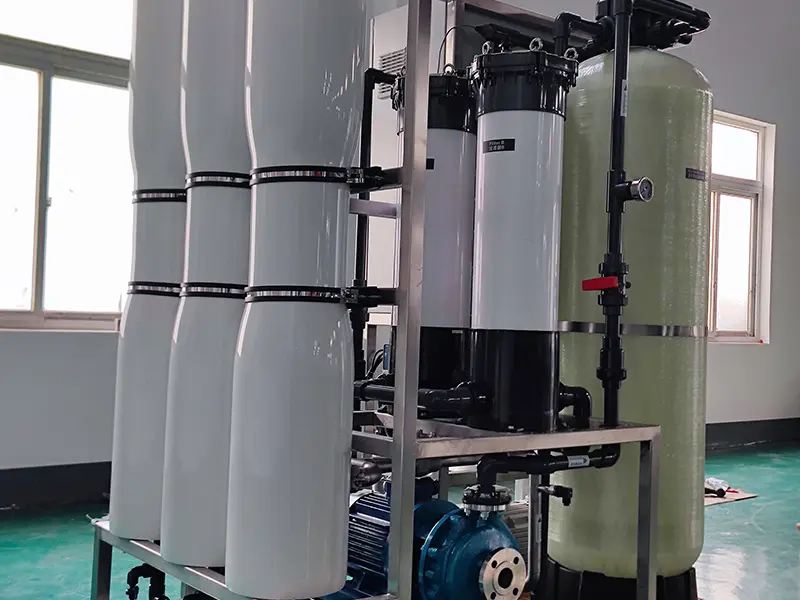
Within a limited space, the system features a scientifically arranged configuration of multi-stage pretreatment (including ultrafiltration), high-efficiency reverse osmosis membrane modules, an energy recovery unit (optional), as well as disinfection and post-treatment units.

Robust structure and environmental adaptability
The container body is reinforced with anti-corrosion, thermal insulation, and shock-absorbing treatments, while the internal equipment employs marine-grade corrosion-resistant installation methods.

An efficient energy utilization solution
The power interface can be flexibly configured, and an optional photovoltaic power supply system is available to meet operational requirements in off-grid areas, reducing operational energy consumption.

Remote Monitoring and Intelligent Maintenance
Standardly equipped with a 4G/5G IoT module, enabling real-time remote monitoring of water quality, flow rate, and pressure via both PC and mobile devices, supporting remote diagnostics.
📦Other Products