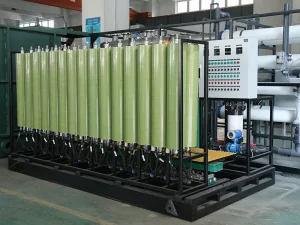
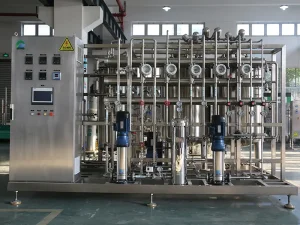
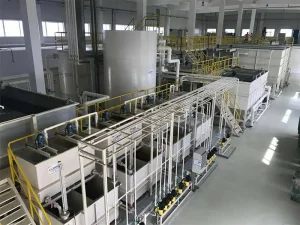
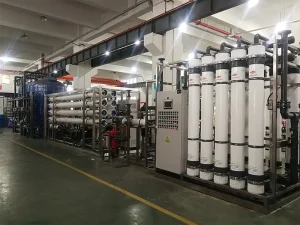
High-Efficiency Separation & Reuse Systems
Direct deployment solutions engineered to support zero liquid discharge, produced water extraction, and high-purity industrial streams.
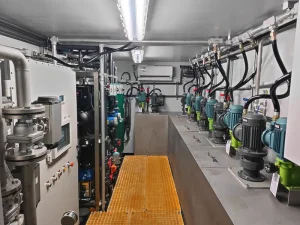
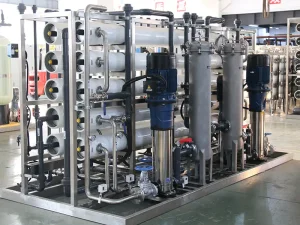
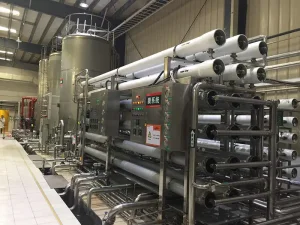
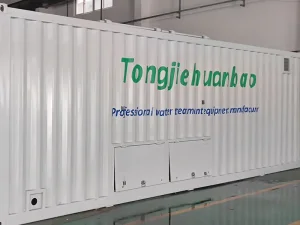
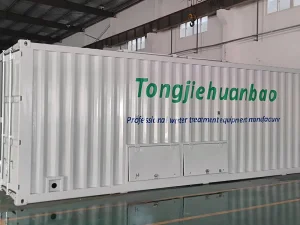
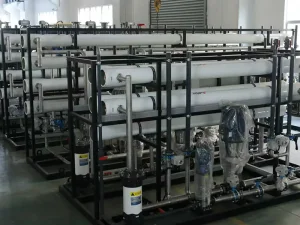
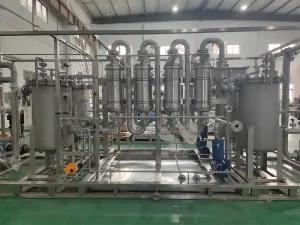
Engineering Superiority in Biogas Upgrading Membranes
Overcoming the limitations of traditional scrubbing systems through selective permeation, rigid polymeric architecture, and low-parasitic energy consumption.
Molecular Sieving Polymers
Fabricated using hyper-rigid polyimide (PI) and polyetherimide (PEI) chemistries. Our proprietary thermal crosslinking enhances CO₂/CH₄ selectivity coefficients (>45 at 25°C), suppressing plasticization induced by concentrated CO₂ streams up to 40 bar.
Asymmetric Hollow-Fiber Design
Micro-engineered outer ultrathin skin layers (<50 nm) minimize trans-membrane resistance while achieving optimal mechanical integrity. Inner macro-void-free porous structures handle feed fluctuation without delamination during shutdown cycles.
Multistage Cascade Configuration
Configured across 3-stage membrane array loops with internal permeate recycling. This design consistently delivers high methane recoveries (>99.2%) and pure biomethane permeate adhering to strict European EN 16723 and US grid injection standards.
Comparative Separation Efficiency Matrix
Quantitative verification comparing hollow-fiber polymer membranes against conventional biogas purification alternatives.
| Evaluation Parameter | Polyimide Hollow-Fiber Membrane | Water Scrubbing (PWS) | Pressure Swing Adsorption (PSA) | Amine Chemical Scrubbing |
|---|---|---|---|---|
| CH₄ Methane Purity | >98.5% – 99.5% | 96.0% – 98.0% | 96.0% – 98.0% | >99.0% |
| CH₄ Methane Slip Loss | <0.5% (with Cascade Loop) | 1.5% – 2.5% | 1.8% – 3.0% | <0.1% |
| Parasitic Electricity Need | 0.20 – 0.28 kWh/Nm³ | 0.25 – 0.35 kWh/Nm³ | 0.22 – 0.30 kWh/Nm³ | 0.12 – 0.18 kWh/Nm³ |
| Thermal Heat Consumption | None (Zero Waste Thermal) | None | None | 0.50 – 0.80 kWh/Nm³ |
| Chemical / Water Waste | Zero Chemical Reagents | High water circulation/loss | Desiccant degradation | Amine sludge / wastewater |
| Footprint & Skid Modularity | Compact Containerized Skid | Large columns & reservoirs | Medium, multiple vessels | Complex industrial towers |
Macro-Industry Applications & Turnkey Packages
Scalable process trains custom-engineered for landfill methane reclamation, wastewater digestate upgrading, and large-scale agricultural biomethane plants.
Agricultural Digesters
Raw biogas derived from manure and crop residue presents variable CH₄ (50–65%) and high moisture. Our skid modules feature unified carbon-bed siloxane removal, dual-stage moisture condensing down to -20°C dewpoint, and hollow-fiber permeators to produce pipeline-spec RNG directly.
Landfill Gas Reclamation
Landfill environments exhibit high contamination profiles including high nitrogen, VOCs, halogenated hydrocarbons, and trace oxygen. We integrate heavy regenerative TSA (Temperature Swing Adsorption) pretreatment loops before the gas hits polyimide membranes, protecting the active sieving surface.
Industrial Effluent & WWTP
Treating high-load anaerobic sludge digestate gas demands compact footprint and unmanned reliability. Skid-mounted containers pair seamlessly with existing wastewater facilities, converting stranded biogas into electricity-offsetting green energy or Bio-CNG for fleet logistics.
China Smart Manufacturing: Supply Chain Resilience
Deep-tier integration across Shanghai engineering clusters, fully automated fiber spin lines, and ISO/CE certified digital fabrication workflows.
Vertically Integrated R&D
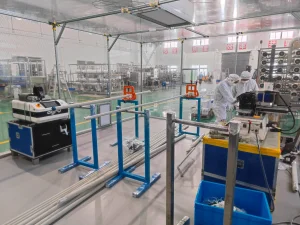
Direct polymer formulation, dope preparation, spinning, module potting, and containerized skid fabrication fully completed within our Jiading, Shanghai facilities under unified quality oversight.
Comprehensive FAT Protocols
Every membrane array undergoes rigorous hydrostatic pressure, helium helium-leak tracing, and clean-gas mass spectrometry before export, eliminating on-site start-up delays.
Tier-1 Component Procurement
Seamlessly integrating explosion-proof screw/reciprocating compressors, Siemens PLC platforms, and Emerson mass-flow instrumentation to guarantee zero compatibility friction for international EPCs.
Scale & Raw Material Stability
Strategic domestic chemical precursors and extrusion capacity shield international buyers from global logistic disruptions, providing stable 6-to-10-week delivery schedules for modular skids.
Technology Roadmap & Next-Gen Outlook
Pioneering mixed-matrix architectures and carbon-capture synergy for industrial net-zero trajectories.
MOF-Enhanced Membranes (MMMs)
Embedding Metal-Organic Frameworks (ZIF-8, UiO-66) into polyimide matrix arrays. Next-gen prototypes exhibit up to 80% higher CO₂ permeance with enhanced selectivity, reducing total membrane area requirements by nearly 35%.
Direct CCUS Coupling
Biogas upgrading produces a pure permeate CO₂ stream (>95%). We engineer secondary cryogenic-chilling and liquefaction systems to output certified Food-Grade L-CO₂ (E290), creating a dual-revenue asset from agricultural waste.
Digital Twin & Edge Analytics
Integrated neural-network algorithms adaptively adjust operational stages, inter-stage recycle valves, and compressor discharge pressure in response to real-time ambient temperature shifts and fluctuating biogas feedstock profiles.
Engineering Inquiries & Technical Procurement FAQ
Detailed technical responses directly addressed by our lead membrane process engineers for global procurement teams.
What specific contaminants damage biogas membranes, and what pretreatment is mandatory?
How does the membrane cascade loop prevent methane loss and meet strict <0.5% slip limits?
Can Tongjie biogas and industrial membrane skids be customized under ODM/OEM agreements?
What is the realistic service lifespan of hollow-fiber biogas membrane modules?
What global compliance and design codes back your equipment deliveries?
High-Performance Industrial Membrane Machinery
Specialized separation skids manufactured to international export standards, fully tested before departure.