China Water Reuse Equipment High-Ratio Water Reuse Process Supplier, Manufacturer
Product Description
Process Flow and Principle
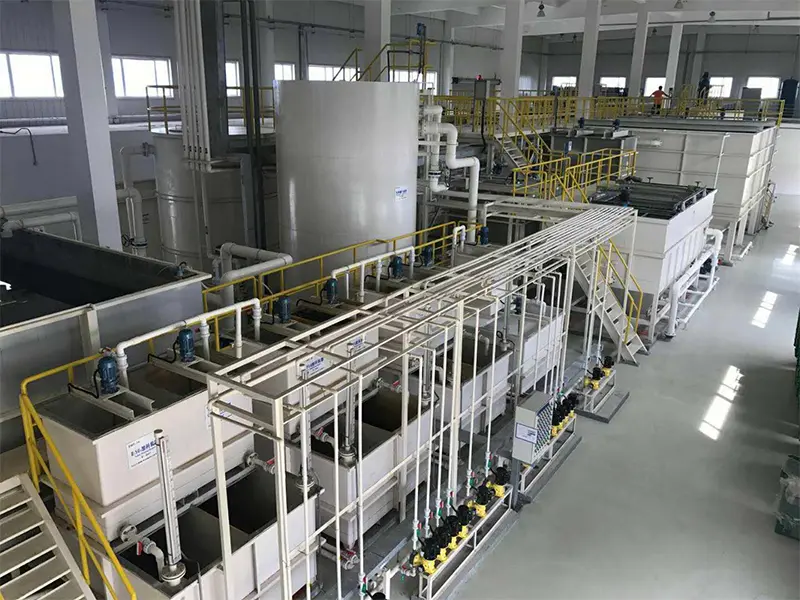
After pretreatment and UF, the raw water enters the primary RO unit (brackish water membrane). A portion of the permeate is directly reused, while the primary RO concentrate serves as the feed water for the SWRO unit. The SWRO membrane withstands higher operating pressures and achieves over 99% rejection of both monovalent and divalent ions, further concentrating the salts. The SWRO concentrate then enters the STRO membrane unit. STRO utilizes open-channel flow paths and high-pressure-resistant membrane elements, with an operating pressure capable of reaching 9 MPa or higher, maintaining stable flux even when treating high-salinity brine. The STRO concentrate can be sent to an evaporation crystallization system or other disposal method.
Through this multi-stage concentration process, the total system recovery rate can be increased to over 85% (depending on raw water quality), significantly reducing the final concentrate volume. Each membrane stage independently controls pressure and recovery. Optional inter-stage energy recovery devices can be added to reduce system operating energy consumption while further increasing the volume of reused water.
Equipment Structure and Core Components
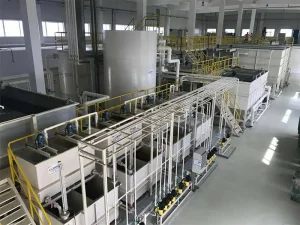
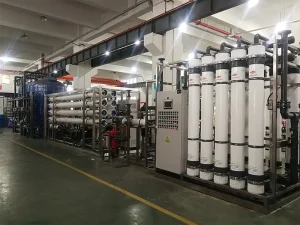
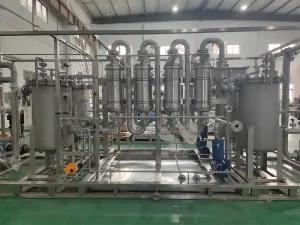
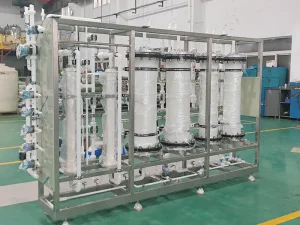
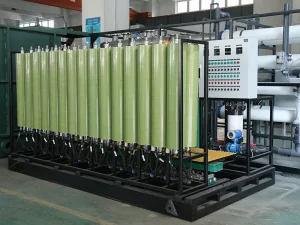
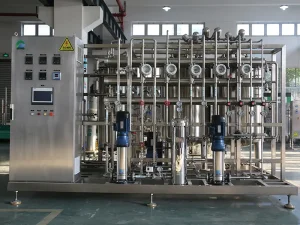
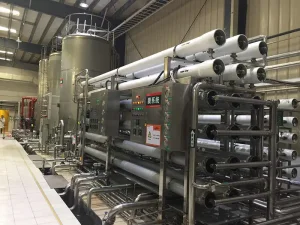
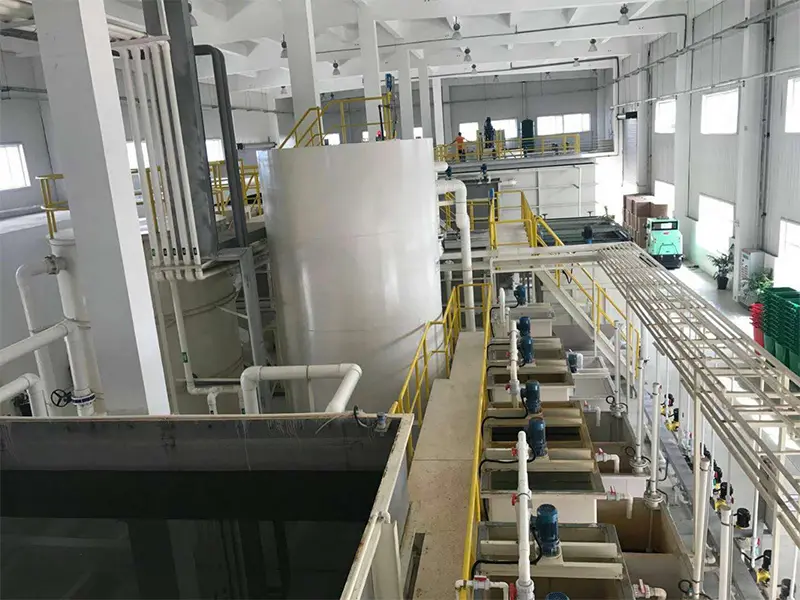
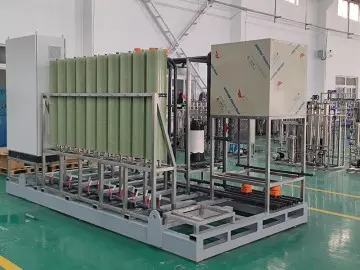
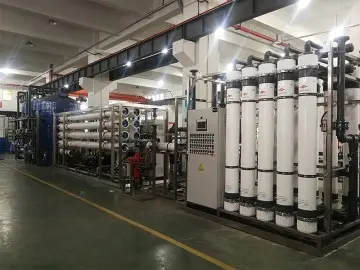
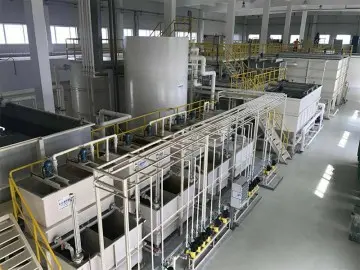
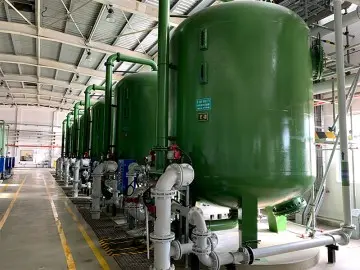
The equipment consists of pretreatment filters, a UF (Ultrafiltration) unit, primary RO membrane modules, SWRO high-pressure membrane modules, STRO high-pressure membrane modules, inter-stage booster pumps, an optional energy recovery device, and a comprehensive control cabinet. The SWRO membrane elements are high-rejection seawater desalination membranes. The STRO uses wide-channel spiral-wound membranes that are fouling-resistant and amenable to chemical cleaning. The system is equipped with online conductivity meters, flow meters, and pressure sensors to achieve flow balance across stages and provide fault warnings. Additionally, anti-scalant dosing, pH adjustment, and dedicated cleaning systems are included.
Key Performance Indicators and Applicable Standards
The determination of product water quality targets is based on two inputs: (1) current national and industry standards for reclaimed water reuse quality, and (2) the customer's proposed end-use for the product water, downstream process integration requirements, and on-site water source conditions. Based on this information, the company develops a targeted indicator plan.
Based on the customer's water quality report and volume requirements, the company provides a process scheme and guaranteed performance values covering the above indicators during the design phase. These values are mutually confirmed and used as the acceptance criteria for the equipment.
Application Fields
The equipment is primarily used in desulfurization wastewater, circulating cooling system blowdown, and high-salinity process wastewater from industries such as electric power, petrochemicals, and coal chemicals. It is also suitable for centralized wastewater treatment plants in industrial parks, reducing the volume of discharged concentrate by increasing the raw water reuse rate, thereby meeting near-zero discharge policy requirements. The process can effectively concentrate leachate, reducing the load on downstream evaporation systems.
Other Products
Modular Containerized Seawater Desalination Equipment
Seawater Desalting Equipment
High-Salinity Wastewater Volume Reduction & ZLD System
OEM Precision Manufacturing
ODM Full Value Chain Innovation
Water Reuse Equipment (Pretreatment + UF + RO)
Water Reuse Equipment High-Ratio Process
Industrial Demineralized Water Equipment
Send Inquiry
Frequently Asked Questions (FAQ)
Q: What is the overall recovery rate of this high-ratio water reuse system?
Through our multi-stage concentration process (Primary RO + SWRO + STRO), the total system recovery rate can be increased to over 85%, depending on the quality of your raw water.
Q: How does the STRO membrane unit handle high-salinity brine?
The STRO unit features open-channel flow paths and high-pressure-resistant membrane elements operating at pressures up to 9 MPa or higher. This design resists fouling and maintains a stable flux even when treating high-salinity brine.
Q: What core components are included in the equipment package?
The system includes pretreatment filters, a UF unit, primary RO modules, SWRO modules, STRO modules, inter-stage booster pumps, an optional energy recovery device, anti-scalant/pH dosing systems, cleaning systems, and a control cabinet with online sensors.
Q: Which industries benefit most from this technology?
It is ideal for electric power, petrochemical, and coal chemical industries (handling desulfurization wastewater and cooling blowdown), centralized industrial park wastewater plants, and landfill leachate concentration.
Q: How are acceptance criteria and water quality standards established?
Water quality targets are customized using relevant national/industry standards, your specific end-use requirements, and a detailed raw water quality report. Guaranteed values are mutually confirmed during the design phase as acceptance criteria.