
Featured Desalination & High-Purity Water Systems for Indonesia
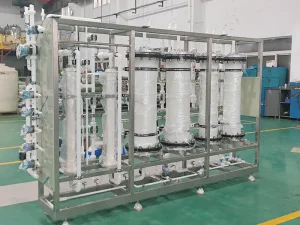
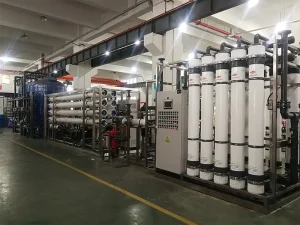
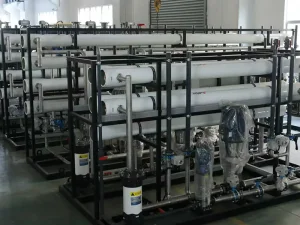
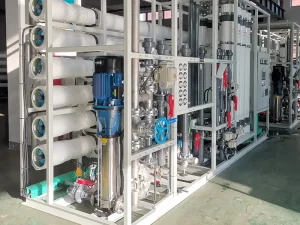
Archipelagic Water Security: Solving Indonesia’s Industrial & Coastal Freshwater Crisis
Indonesia, the world’s largest archipelagic state comprising over 17,000 islands, presents a unique hydrological paradox. Despite abundant monsoon rainfall, the country faces critical water scarcity across key industrial corridors, island economies, and coastal regions. Rapid urbanization, intense expansion of resource extraction—particularly nickel hydrometallurgy (HPAL) in Sulawesi and Maluku—and heavy groundwater over-extraction in metropolitan Java (Jakarta, Semarang) have accelerated seawater intrusion and depleted traditional freshwater aquifers.
To maintain industrial trajectory and comply with stricter environmental mandates imposed by the Ministry of Environment and Forestry (KLHK - Kementerian Lingkungan Hidup dan Kehutanan), Indonesian enterprises are aggressively shifting toward non-conventional water resources. Seawater Reverse Osmosis (SWRO) desalination has emerged as the most bankable, scalable, and resilient technological pathway to secure continuous, high-purity process water and municipal drinking supplies across the Indonesian archipelago.
As a leading Chinese Seawater Desalination System Factory and original equipment manufacturer (OEM/ODM), our engineering philosophy directly bridges the gap between high-capacity Chinese manufacturing resilience and the rugged geographical challenges of Indonesia. By leveraging modern energy recovery devices (ERD), anti-biofouling membrane configurations, and pre-fabricated containerized architectures, we deliver plug-and-play desalination infrastructure that thrives under tropical equatorial marine conditions.
Localized Application Scenarios Across Indonesia's Core Economic Sectors
Standard off-the-shelf desalination plants often fail in tropical Indonesian environments due to high raw water temperature variations, elevated organic loading (TOC) from mangrove runoff, coastal siltation, and fluctuating grid power stability. Our custom-engineered SWRO solutions are designed specifically for Indonesia's primary industrial ecosystems:
1. Nickel Processing & HPAL Smelters (Morowali, Weda Bay, Halmahera)
High-Pressure Acid Leach (HPAL) nickel complexes demand massive volumes of high-purity process water and boiler feed water. Located in remote coastal zones with zero access to municipal supply, industrial parks in Central Sulawesi and North Maluku rely on our heavy-duty, multi-stage SWRO plants. Integrated with continuous Disc Tube Reverse Osmosis (DTRO) and brine concentration, our systems ensure zero shut-downs during peak smelting cycles.
2. Island Resorts & Marine Tourism (Bali, Lombok, Raja Ampat, Labuan Bajo)
Luxury hospitality operators and remote island developments require quiet, footprint-optimized, low-energy seawater reverse osmosis equipment. Our containerized SWRO units operate with ultra-low noise signatures (<68 dB), intelligent automated flushing to prevent biofouling during low occupancy, and remineralization modules to supply crystal-clear drinking water compliant with Permenkes No. 2 Year 2023 standards.
3. Power Generation & Thermal Stations (PLN Java-Bali Grid & Captive Power)
Coastal power generation facilities utilize seawater for cooling and high-pressure boiler feed. Our Chinese manufacturing facility engineers combined SWRO + RO/EDI (Electrodeionization) systems that remove silica down to <5 ppb and dissolved solids down to <0.1 µS/cm conductivity, guarding turbines against scaling and micro-corrosion.
4. Industrial Estates (Cikarang, Karawang, Kendal, Batam)
With provincial governments imposing strict quotas and steep tariffs on underground water extraction, multinational factories in Java and Batam are transitioning to combined coastal seawater intake and internal industrial water reuse systems, achieving water self-sufficiency while lowering operational expenditure.
Technical Roadmap & Engineering Architecture for Indonesian Waters
Treating Indonesian equatorial seawater (TDS 32,000–38,000 mg/L; elevated surface water temperatures up to 32°C) requires robust process design. Standard single-pass configurations often suffer from rapid flux decay and high energy losses. Our factory implements a multi-barrier technical roadmap:
| Process Stage | Standard Market Design | Our China Factory SWRO Solution (Indonesia Heavy-Duty) | Operational Advantage for Indonesian Clients |
|---|---|---|---|
| Raw Water Intake Pretreatment | Single-stage Sand/Cartridge Filters | Dissolved Air Flotation (DAF) + Ultrafiltration (UF) Skids | Prevents algae blooms, silt, and oil-slick fouling common in Indonesian shipping channels. |
| Energy Recovery Device (ERD) | Francis Turbines / No ERD | Isobaric Pressure Exchangers (PX-300 / PX-Q300) | Reduces specific electricity consumption (SEC) by up to 60%, critical for high-electricity-cost regions in East Indonesia. |
| High-Pressure Metallurgy | 316L Stainless Steel | Super Duplex Stainless Steel (2507 / 2205) & FRP Vessels | Eliminates severe pitting corrosion caused by high temperature, high chloride seawater. |
| Membrane Selection | Generic Brackish / Standard SW Membranes | Dow Filmtec / Hydranautics High-Rejection Premium SWRO Elements | Delivers permeate TDS <300 ppm in a single pass even under 32°C feed water conditions. |
| Automation & Controls | Manual Valves / Basic Relays | Siemens S7-1500 PLC + Remote IoT Cloud Telemetry | Enables unmanned remote monitoring for isolated island operations with automated CIP routines. |
Key Technical Innovations:
- Isobaric Energy Recovery Technology: Transfers hydraulic energy directly from high-pressure reject brine to fresh feed water with >96% efficiency, lowering operational power draw to less than 2.8–3.2 kWh/m³.
- Variable Frequency Drive (VFD) Optimization: Automatically adjusts high-pressure pump speeds based on seasonal salinity variations and feedwater temperature shifts.
- Integrated Clean-in-Place (CIP) & Chemical Dosing Systems: Includes automated anti-scalant, bisulfite, and bio-acid dosing units engineered for tropical marine organisms.
China Supply Chain Resilience & Manufacturing Efficiency Advantages
Evaluating equipment vendors requires analyzing supply chain stability and rapid deployment capabilities. As an established high-tech enterprise in Shanghai, China, our manufacturing complex integrates design, pressure vessel fabrication, skid assembly, electrical control integration, and full-scale wet FAT (Factory Acceptance Testing) under one roof.
1. Modular Containerized SWRO Fabrication
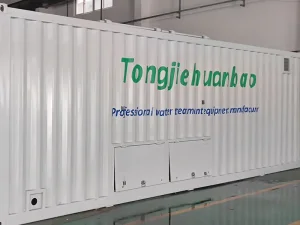
We assemble complete desalination systems within 20ft and 40ft High Cube ISO shipping containers. Pre-piped, pre-wired, and fully tested before leaving our factory floor, these plug-and-play units bypass complex civil construction, allowing immediate operational startup upon arrival at Indonesian ports like Tanjung Priok (Jakarta), Tanjung Perak (Surabaya), or Makassar.
2. 30-40% Cost Performance Superiority
Through robust domestic sourcing of raw materials, automated laser welding, and high-volume manufacturing throughput, our systems provide European/American tier-one technical quality at a 30–40% CAPEX advantage—significantly accelerating ROI for Indonesian EPC contractors and plant owners.
3. Rigorous Pre-Shipment Wet Testing (FAT)
Every plant undergoes a full 72-hour hydraulic pressure, membrane separation, and automation sequence test using simulated seawater at our facility. Clients or third-party inspectors (SGS, TÜV, BV) receive comprehensive performance dossiers prior to shipping approval.
Localized Engineering Support, Compliance & TKDN Strategy
Successfully deploying water infrastructure in Indonesia requires rigorous compliance with local statutory frameworks, national standards, and environmental regulations:
SNI & Permenkes Standards Compliance
Our drinking water SWRO systems produce output water that fully satisfies Permenkes No. 2 Year 2023 parameters, guaranteeing safe microbiological, chemical, and physical water quality across commercial and municipal uses.
KLHK Wastewater Effluent Regulations
For industrial water reuse and zero liquid discharge (ZLD) projects, our systems concentrate brine to meet strict discharge limitations under Permen LHK No. 68 Year 2016, preventing coastal pollution and coral reef damage.
TKDN Collaboration for Local EPCs
We collaborate seamlessly with Indonesian engineering, procurement, and construction (EPC) firms by providing core high-tech skids (membranes, ERD, high-pressure pumps) while facilitating local supply of civil piping, intake structures, and storage tanks to meet national domestic content (TKDN - Tingkat Komponen Dalam Negeri) objectives.
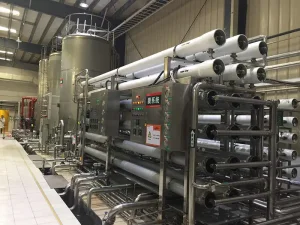
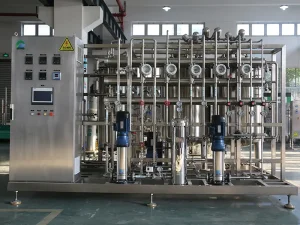
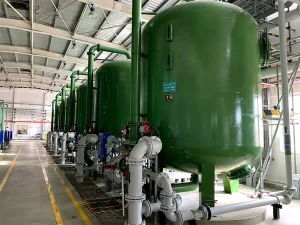
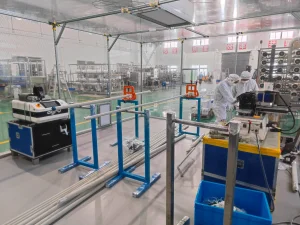
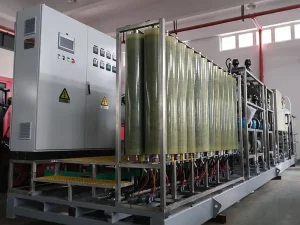
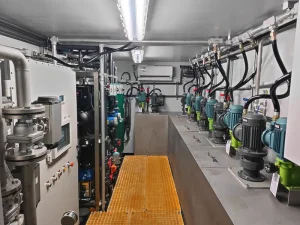
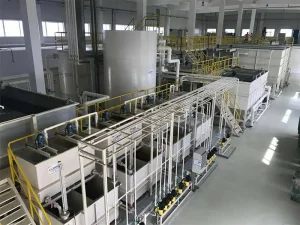
Full Range of Industrial Water Treatment Solutions for Indonesia
Frequently Asked Questions (FAQ) - Indonesian Market Procurement
Technical and commercial guidelines for Indonesian procurement officers, EPC engineers, and facility directors sourcing SWRO equipment directly from our Chinese factory:
Partner with China's Premier Seawater Desalination Factory for Your Indonesian Projects
Get a complete technical proposal, process flow diagram (PFD), mass balance calculation, and factory-direct price quotation tailored to your raw water analysis within 24 hours.
Send Inquiry Now