
High-Efficiency OEM Desalination & Water Treatment Equipment
Explore our factory-integrated skid-mounted and containerized membrane solutions designed for off-grid coastal supply, high-salinity zero liquid discharge (ZLD), and ultrapure industrial loops.
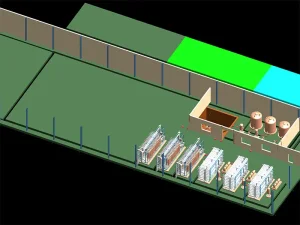
China OEM Precision Manufacturing in China: Leading Suppliers & Factory for Customized Environmental Water Treatment Solutions Suppliers, Manufacturer
View Technical Specs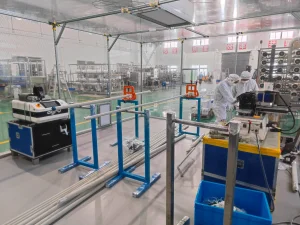
China China ODM Suppliers: Eco-Friendly Water Treatment Solutions from Leading Factory for Your Brand Factories, Manufacturers
View Technical Specs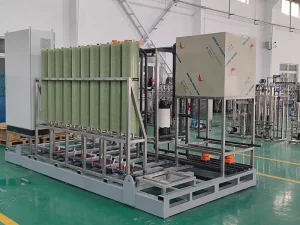
ODM High-Salinity Wastewater Treatment System | China Suppliers & Factory for ZLD Solutions Suppliers, Manufacturers
View Technical Specs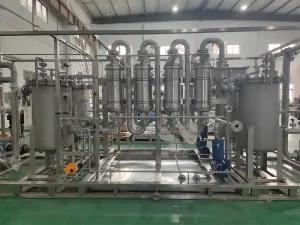
CE Certification China Suppliers Factory Deoxygenation Membrane Equipment for Physical Degassing of Water to ppb Levels Suppliers, Manufacturers
View Technical Specs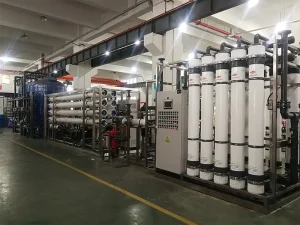
Wholesale High-Ratio Water Reuse Equipment from China Suppliers - Advanced Pretreatment, UF, and RO Factory Solutions Factory, Manufacturer
View Technical Specs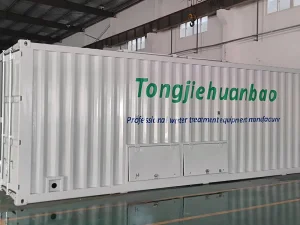
Wholesale China Suppliers of Factory-Integrated Containerized Seawater Desalination Plants for Off-Grid Solar Solutions Factories, Manufacturer
View Technical Specs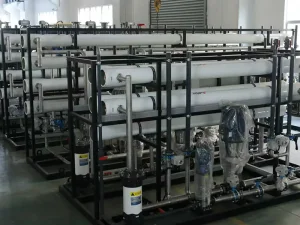
China High-Efficiency Brine Concentration Systems by China Suppliers | Factory Solutions for Wastewater Treatment Suppliers, Manufacturers
View Technical Specs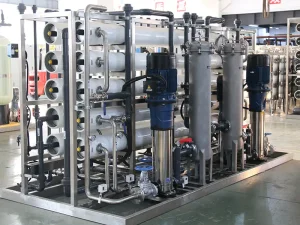
CE Certification Osmosis-Assisted Reverse Osmosis System for High Salinity Wastewater - China Suppliers & Factory Factories, Manufacturer
View Technical SpecsMacro Industry Trends: The Transition to Solar-Coupled Desalination
Decarbonization, surging marine industrialization, and freshwater scarcity in remote island corridors have shifted seawater reverse osmosis (SWRO) from grid-tethered, carbon-intensive thermal assets toward autonomous, photovoltaic-driven membrane architectures.
Grid Parity & SEC Reductions
Traditional SWRO infrastructure required fossil-dominated baseloads drawing between 4.5 and 7.0 kWh/m³. The contemporary deployment of high-efficiency ceramic isobaric energy recovery devices (ERD), combined with super-low energy spiral wound aromatic polyamide membranes, has reduced the specific energy consumption (SEC) down to 2.2 – 2.8 kWh/m³.
This thermal-hydraulic efficiency leap unlocks economic viability for dedicated, direct-coupled photovoltaic (PV) solar fields, drastically lowering Levelized Cost of Water (LCOW) to sub-$0.75/m³ thresholds in solar-rich tropical belts.
Modular Containerization Demand
Civil engineering bottlenecks, marine environmental permitting delays, and protracted site construction cycles have driven EPC contractors away from concrete-poured plant footprints. Global procurement now centers on ISO standard containerized desalination modules (20ft and 40ft High Cube).
Prefabricated, factory-commissioned units eliminate on-site welding, allow rapid plug-and-play tie-ins with solar arrays, and provide mobility for disaster relief, temporary mining developments, and luxury island resort communities.
Variable Solar Irradiance Handling
Intermittent solar radiation historically crippled high-pressure pump longevity due to frequent cavitation and membrane osmotic shock. The emergence of AI-orchestrated variable frequency drive (VFD) arrays and adaptive flux staging enables modern SWRO trains to dynamically track solar generation curves.
Plants modulate recovery ratios and permeate flow from 30% to 100% capacity without shutdown, minimizing battery bank sizing or operating entirely battery-less in diurnal batch regimes.
Global Enterprise Sourcing Needs Across Critical Geographies
Purchasing directors, civil infrastructure consortia, and EPC project managers evaluate OEM solar desalination manufacturers through rigorous operational parameters. Below is the multi-regional technical demand profile.
GCC & Middle East
Severe Raw Water Parameters: Arabian Gulf and Red Sea water present hypersaline conditions (TDS 42,000–48,000 ppm) alongside elevated summer temperatures exceeding 38°C.
- Duplex 2205 / Super Duplex 2507 metallurgy
- Boron rejection below 0.5 mg/L for potable WHO standards
- Dust-proof IP56 climate-controlled container skids
Island & Resort Resorts
Zero Fuel Footprint: Pacific, Caribbean, and Maldives resort developers require silent, diesel-independent operations that do not impact pristine tourist environments.
- Direct integration with rooftop / floating PV solar
- Acoustic insulation below 68 dB(A) at 1 meter
- Automated chemical-free pre-filtration systems
Remote Coastal Mining
Process & Worker Potable Supply: Australian and Chilean coastal extraction sites require ruggedized skids capable of resisting acidic, dust-laden atmospheres.
- High-reliability disc tube reverse osmosis (DTRO) staging
- Off-grid solar microgrid tie-in with hybrid diesel backup
- Heavy-duty automated CIP (Clean-In-Place) flushing
Emergency & Military Camps
Rapid Deployment Mandates: Humanitarian NGOs and defense contractors require container units operable within 48 hours of drop-off.
- Self-contained foldable solar photovoltaic arrays
- Ultrafiltration (UF) pretreating high-turbidity red tides
- Intuitive multi-language Siemens/Allen-Bradley PLC HMIs
Macro Engineering Solutions: The Anatomical Train of Solar SWRO
A solar-powered seawater reverse osmosis plant is a synchronized multi-disciplinary system balancing fluid dynamics, electro-mechanical efficiency, and real-time photovoltaic power variability.
| System Module | Technical Specification & Componentry | Solar Off-Grid Functional Advantage | Material / Engineering Standard |
|---|---|---|---|
| Seawater Intake & Pretreatment | Dual media multimedia filters (quartz/anthracite) + 1-5μm Meltblown Cartridge + Hollow Fiber UF | Stabilizes Silt Density Index (SDI < 3.0), preventing biological and particulate fouling under variable feed rates | FRP pressure vessels, Duplex 2205 manifold, UPVC Schedule 80 |
| High-Pressure Pumping Train | Multistage axial piston pumps or high-pressure centrifugal pumps coupled with variable frequency drives (VFD) | Maintains optimal pump hydraulic efficiency across varying solar insolation profiles (400W/m² to 1100W/m²) | Super Duplex Stainless Steel UNS S32750 (2507) wetted surfaces |
| Energy Recovery Device (ERD) | Isobaric ceramic rotary pressure exchangers (PX) recovering hydraulic energy directly from reject brine | Recovers up to 98% of brine pressure energy, slashing high-pressure motor power requirements by 55–60% | High-purity alumina ceramics, corrosion-free composite casing |
| Membrane Separation Arrays | High-rejection thin-film composite aromatic polyamide SWRO elements (8-inch x 40-inch elements) | Ensures 99.7% nominal salt rejection yielding permeate TDS < 300 ppm from 45,000 ppm feed | ASME Section X certified FRP pressure vessels rated to 1200 PSI |
| Solar PV & Storage Architecture | Tier-1 Bifacial Monocrystalline PV + MPPT Solar Charge Controllers + Optional LiFePO4 BESS | Delivers uninterrupted diurnal power or 24/7 stabilized microgrid feed via hybrid inverter sync | IEC 61215, IEC 61730, marine-grade anodized aluminum mounting |
| Smart Automation & SCADA | Siemens S7-1500 / Allen-Bradley PLC with remote IoT cellular/satellite telemetry and auto CIP flushing | Monitors conductivity, TMP, flow, and battery state-of-charge; executes automated shutdown on sun drop | IP66 Rittal Enclosures with redundant safety interlocks |
CAPEX vs. OPEX Realization
By eliminating fossil fuel transport costs—which frequently reach $2.50 to $4.00 per liter of diesel in island territories—a solar SWRO installation typically achieves full amortization within 24 to 36 months of continuous operation.
Environmental & Brine Stewardship
Modern off-grid installations incorporate engineered multi-port diffusers to accelerate brine plume dilution, avoiding coastal marine hypersalinity gradients while integrating zero-chemical antiscalant alternatives.
Turnkey OEM Fabrication Process
From 3D piping stress simulations using CAESAR II to orbital TIG welding of Super Duplex alloys, our Shanghai facility enforces stringently audited protocols under ISO 9001, ISO 14001, and ISO 45001.
Localization Support, Regulatory Compliance & Factory FAT Standards
Overseas procurement is safeguarded by strict adherence to international industrial vessel codes, exhaustive pre-shipment Factory Acceptance Testing (FAT), and localized technical deployment networks.
International Code Conformity
Our engineered systems are designed and manufactured in compliance with international engineering codes required by Tier-1 EPCs:
- CE Marking: Compliance with Machinery Directive 2006/42/EC and Pressure Equipment Directive (PED) 2014/68/EU.
- Pressure Retaining Vessels: Fabricated to ASME Boiler and Pressure Vessel Code Section VIII and Section X.
- Electrical Assemblies: UL 508A and IEC 60204-1 certified low-voltage switchgear.
100% Factory Wet FAT Protocols
Eliminate risk before shipping overseas. Every containerized SWRO system undergoes complete wet FAT in our Shanghai testing bays:
- Simulated hypersaline feed water verification (35,000–45,000 ppm)
- Full hydrostatic pressure holding tests at 1.5x design pressure
- Energy recovery efficiency verification under fluctuating electrical loads
- Complete P&ID, electrical loop, and safety shutdown sign-off
Global Field Engineering Dispatch
We support commissioning, local operator training, and continuous lifecycle maintenance across all major maritime hubs:
- On-site commissioning engineers dispatched to Middle East, SE Asia, and Latin America
- Augmented reality (AR) remote maintenance headsets for rapid troubleshooting
- Guaranteed 48-hour emergency dispatch of critical spare parts & membranes
Technology Roadmap: The Next Decade of Solar Desalination
Shanghai Tongjie’s dedicated engineering labs are actively developing next-generation thermodynamic and material innovations to push desalination efficiency beyond thermodynamic limits.
Direct-Drive High-Frequency Inverters
Transitioning away from intermediate DC/AC conversion losses. Our next-generation proprietary driver boards connect PV arrays directly to brushless DC permanent magnet high-pressure pump motors via high-speed MPPT, yielding an immediate 7–9% overall thermodynamic efficiency gain.
Graphene & Biomimetic Aquaporin Membranes
Collaborating with leading nanomaterial research institutions to engineer biomimetic aquaporin and pristine graphene oxide membrane sheets. These membranes offer 3x higher water permeability with identical salt rejection, targeting an extraordinary SEC of < 1.6 kWh/m³.
Osmosis-Assisted Reverse Osmosis (OARO)
Extending beyond standard seawater limits. Integrating Osmosis-Assisted Reverse Osmosis (OARO) allows extreme brine concentration up to 180,000 ppm TDS using clean solar thermal and PV energy, unlocking affordable Near-Zero Liquid Discharge (ZLD) for coastal heavy industries.
Comprehensive Engineering FAQ for Global Project Specifiers
Detailed technical responses addressing design calculations, component selection, metallurgy, and dynamic power synchronization for engineering procurement teams.
How does the system handle sudden solar cloud transients without tripping?
Our solar SWRO controllers utilize predictive MPPT algorithms coupled with ultrafast Variable Frequency Drives (VFDs). When solar irradiance drops suddenly, the PLC dynamically throttles high-pressure pump RPM and automatically adjusts the motorized brine control valve to maintain exact membrane recovery ratios. If an energy storage buffer (BESS) is installed, seamless sub-cycle DC bus coupling prevents hydraulic shock and keeps system pressure within safe membrane envelopes.
What is the typical specific energy consumption (SEC) of your containerized units?
For raw seawater of 35,000–38,000 ppm TDS at 25°C, our containerized SWRO units equipped with isobaric ceramic rotary energy recovery devices achieve an ultra-low specific energy consumption of 2.2 to 2.8 kWh per cubic meter of permeate produced. For high-salinity waters (Red Sea / Arabian Gulf up to 45,000 ppm), energy consumption ranges between 3.0 and 3.5 kWh/m³, substantially outperforming conventional non-ERD systems.
What metallurgy is selected to resist pitting in warm marine environments?
All high-pressure piping manifolds, high-pressure pump wetted parts, and high-pressure instrument ports are fabricated from Super Duplex Stainless Steel UNS S32750 (2507) with a Pitting Resistance Equivalent Number (PREN) > 42. Low-pressure suction piping and CIP circuits are fabricated from virgin UPVC Schedule 80 or high-pressure FRP, ensuring zero galvanic corrosion over 20+ years of operational service.
Can the solar SWRO plant operate completely without battery energy storage?
Yes. We supply direct-PV battery-less containerized plants specifically designed for diurnal water production. The plant initiates water production as solar irradiation crosses minimum operating thresholds (typically 8:30 AM), ramps dynamically to peak midday output, and automatically executes an automated low-pressure permeate flush cycle before sunset to prevent biological fouling and mineral scaling in dormant membranes overnight.
What minimum water analysis parameters are required to size an OEM proposal?
To deliver an engineered process proposal and ROSA/WAVE projection, we require: (1) Total Dissolved Solids (TDS) or complete ionic analysis (Na, Cl, Ca, Mg, SO4, HCO3, SiO2, B), (2) Minimum/Maximum raw water temperature, (3) Silt Density Index (SDI) or Turbidity/TSS, (4) Target permeate daily volume (m³/day), and (5) Desired product water standard (e.g., WHO drinking water, irrigation, or demineralized boiler feed).
What is the standard manufacturing and delivery lead time for 500–2000 m³/day plants?
Standard containerized systems utilizing our modular pre-engineered architectural skids require 6 to 10 weeks for complete fabrication, internal integration, and full-load wet Factory Acceptance Testing (FAT) at our Shanghai manufacturing campus. Customized EPC skid architectures involving non-standard metallurgy or special automation architectures typically ship within 12 to 14 weeks from approved engineering drawings.
Advanced Industrial Water Treatment & Desalination Machinery
Select from our factory-verified product lines engineered for global project deployment, off-grid solar pairing, zero-liquid discharge, and industrial reuse.
Wholesale Eco-Friendly Water Treatment Solutions from China ODM Suppliers and Factory - Your Partner in Innovation Factories, Manufacturer
View Technical Specs
OEM Containerized Seawater Desalination Plants from China Suppliers: Factory-Ready Mobile Water Production Solutions Factory, Manufacturers
View Technical Specs
China High Salinity Brine Concentration System - Osmosis-Assisted Technology from China Suppliers & Factory Supplier, Manufacturers
View Technical Specs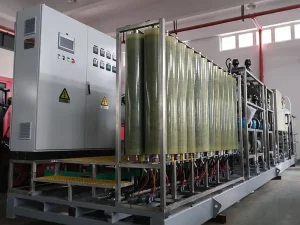
CE Certification China Fracturing Flowback Fluid Treatment System by Suppliers and Factory for Zero-Discharge Reuse Factory, Suppliers
View Technical Specs
China Deoxygenation Membrane Equipment Suppliers and Factory in China for Effective Water Treatment Solutions Suppliers, Supplier
View Technical Specs
China Water Reuse Equipment (Pretreatment + UF + RO Process) Factories, Supplier
View Technical Specs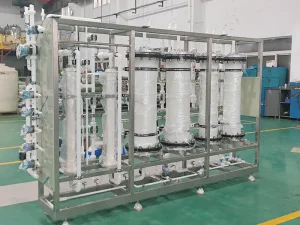
Wholesale China Ultra-Pure Water System for Semiconductor & Electronics | Top Suppliers & Factory Quality Solutions Suppliers, Manufacturers
View Technical Specs
CE Certification Containerized Seawater Desalination Plants Supplier, Manufacturer
View Technical SpecsRequest an Engineered Solar Desalination Project Proposal
Provide your raw water analysis and target capacity. Our Senior Process Engineering team will furnish a complete mass balance simulation, P&ID schematic, solar sizing projection, and quotation within 24 business hours.