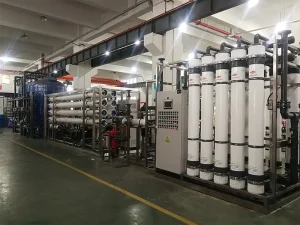
Moroccan Industrial Water Realities
The Kingdom of Morocco is accelerating the execution of its Plan National de l'Eau (PNE 2020-2050), addressing acute water stress via aggressive non-conventional water supply programs. The Kingdom's heavy industrial engines — notably the phosphate sector led by OCP Group, the booming automotive hubs in Kenitra and Tangier Med, and expanding green hydrogen infrastructure — are mandated to eliminate reliance on natural groundwater and dam reserves.
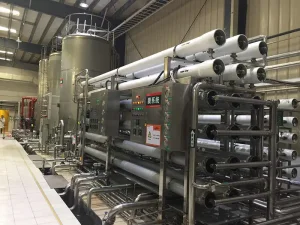
Consequently, manufacturing operations must secure decentralized, dedicated water infrastructure. The Moroccan water landscape is characterized by high coastal salinity (37,000 to 42,000 ppm TDS), seasonal marine red tides, and inland mineral hardness, which necessitates advanced ultrafiltration pretreatments, anti-scaling chemistry, and specialized recovery regimes.
Global Procurement & Localization Pressures
Multinational EPC contractors and local project developers serving Morocco face rising pressure to reduce CapEx without compromising lifecycle reliability. Key requirements include:
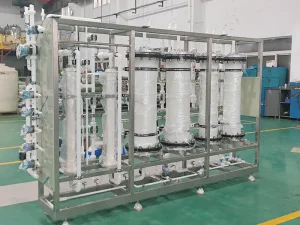
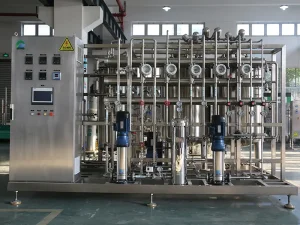
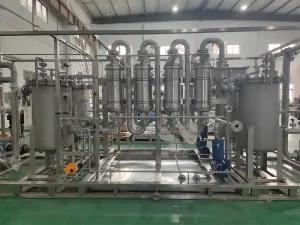
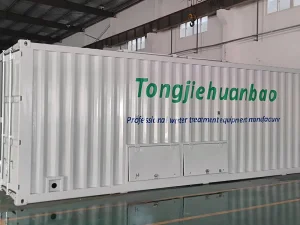
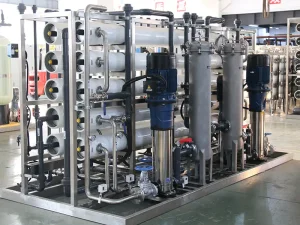
- Factory-Tested Modular Skids: Plug-and-play containerized water systems that minimize on-site civil works and fast-track commissioning to under 30 days.
- Desalination-to-Power Coupling: Compatibility with off-grid hybrid solar PV and wind farms (such as Noor Ouarzazate and Tarfaya) with variable-frequency driven high-pressure pumps.
- Stringent Traceability: Complete mechanical and chemical documentation compliant with European CE directives, ASME pressure vessel standards, and Moroccan ONSSA criteria.