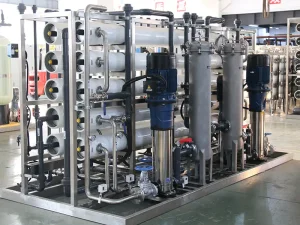
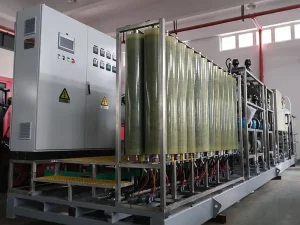
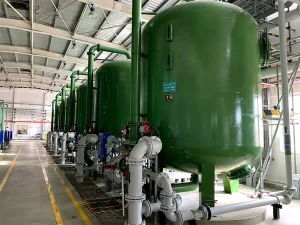
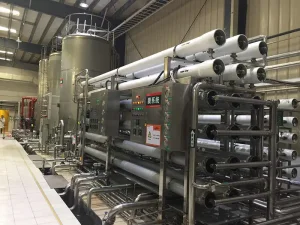
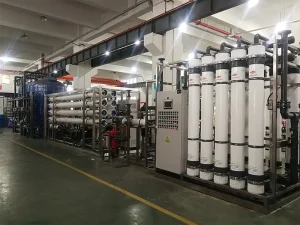
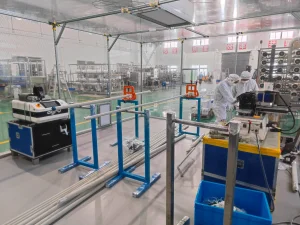
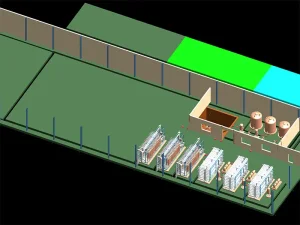
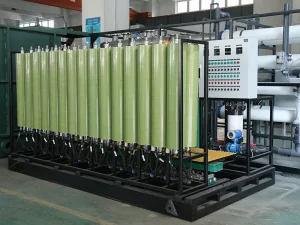
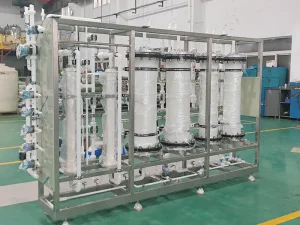
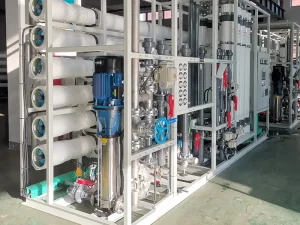
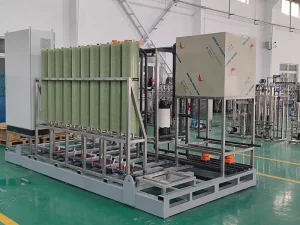
In an era of increasing water scarcity, seawater desalination has transitioned from a high-cost luxury to a vital necessity for industrial resilience and municipal growth. At the heart of this transition lies advanced Reverse Osmosis (RO) technology, which, when coupled with stringent CE certification, ensures safety, performance, and global interoperability.
CE marking is more than a formality; it is a declaration of conformity with health, safety, and environmental protection standards in the European Economic Area. For global procurement teams, sourcing CE-certified desalination equipment means mitigating risk, ensuring high-quality material standards (e.g., pressure vessels, alloy selection), and guaranteeing robust electronic controls. Tongjie's adherence to these standards is a cornerstone of our international reputation.
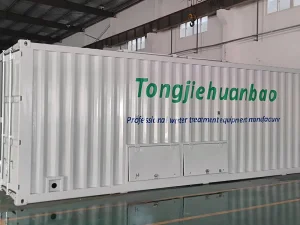
1. Decentralization: Containerized, plug-and-play systems are replacing massive, immobile infrastructure. This allows for rapid deployment in disaster-stricken areas or remote island chains.
2. Renewable Integration: The synergy between solar/wind energy and desalination plants is reducing the operational expenditure (OPEX) significantly. Our latest models now support direct integration with solar arrays.
3. ZLD (Zero Liquid Discharge): Environmental regulations are tightening. Modern manufacturers are now providing integrated ZLD solutions that crystallize brine, turning waste into manageable solid mass, and recovering water back into the industrial cycle.